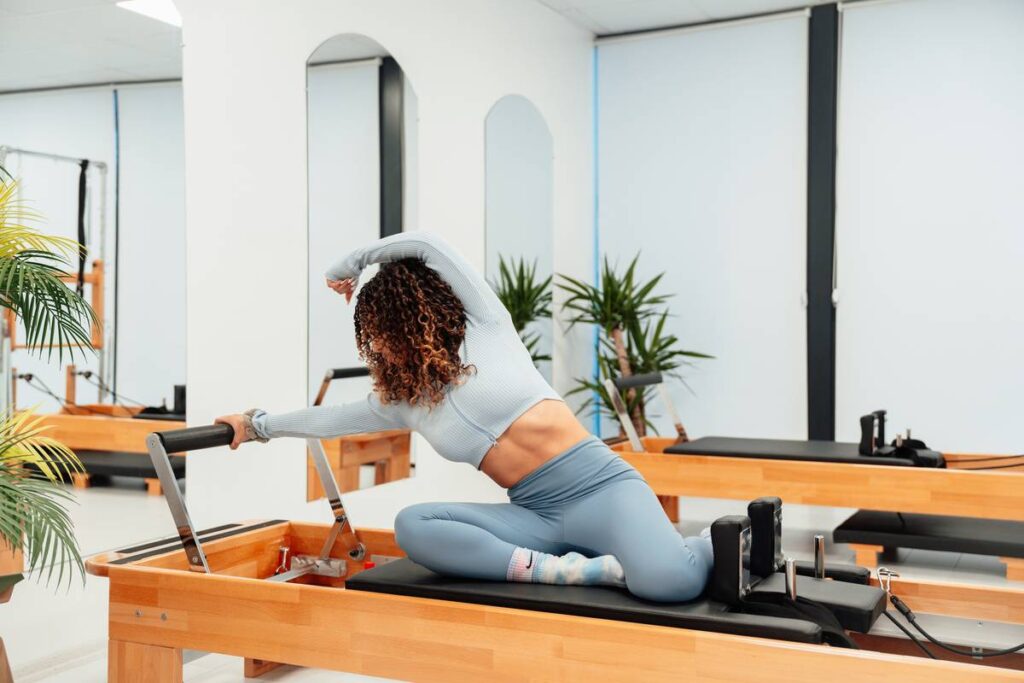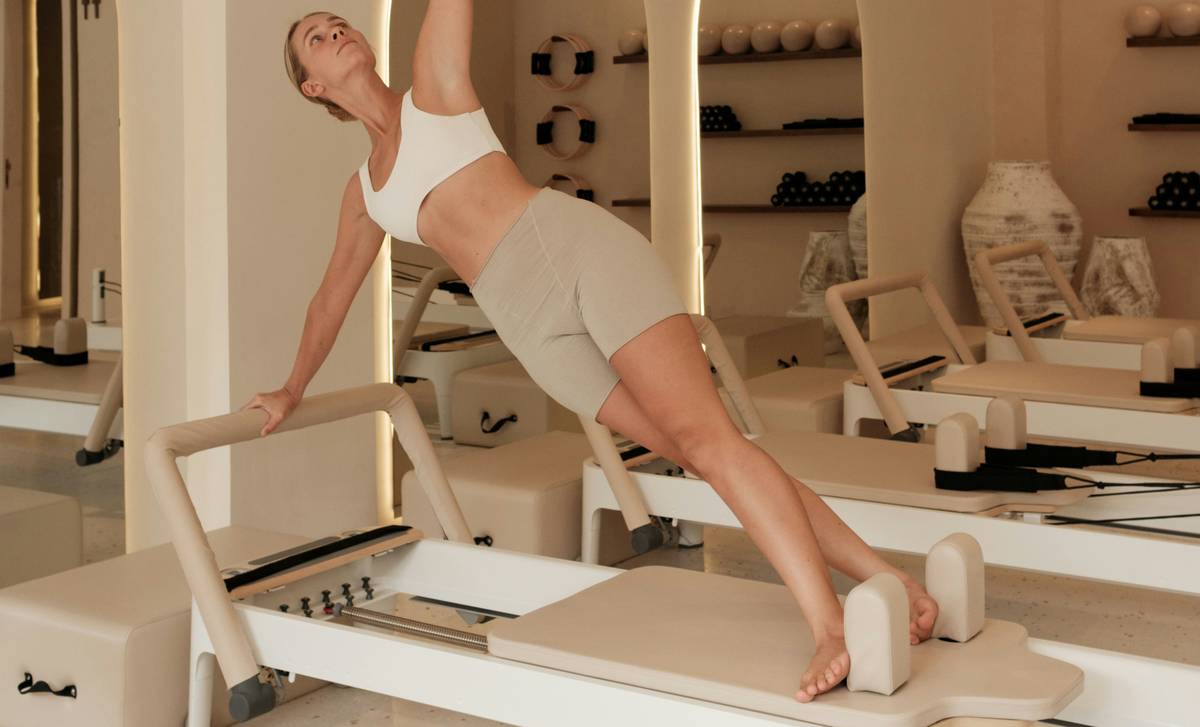
You’ve tried calorie counting. You’ve cycled through HIIT, keto, and those punishing 6 a.m. spin classes. Yet the scale won’t budge—or worse, it creeps back up the moment you miss a session. Here’s the brutal truth: rigid routines break motivation faster than metabolism. But what if your body doesn’t need more punishment—just smarter movement? Enter flexible pilates training: low-impact, adaptable, and shockingly effective for fat loss when done right.
Why Most Weight Loss Programs Fail (And Pilates Gets Misunderstood)
Pilates isn’t just “stretching for ballerinas.” That myth keeps smart dieters away from one of the most metabolically intelligent exercise systems available. Traditional weight loss plans overemphasize sweat-as-success—burning out joints, spiking cortisol, and ignoring muscle activation efficiency. And here’s the kicker: spot reduction is fake—but full-body neuromuscular engagement? That’s real science. Pilates targets deep stabilizers most workouts ignore, forcing your body to work harder at lower intensities. Less strain. More sustained calorie burn.
Flexible Pilates Training: Your Step-by-Step Blueprint
Forget hour-long studio sessions requiring perfect form from day one. Real-world adherence beats textbook perfection every time. Start where you are—not where Instagram says you should be.
Step 1: Ditch the All-or-Nothing Mindset
Three 20-minute sessions per week beat zero 60-minute ones. Flexible pilates training thrives on consistency—not duration. Stack short flows between meetings or after dinner. Your body responds to frequency, not martyrdom.
Step 2: Prioritize Control Over Intensity
Raise your hand if you’ve seen someone flail through “Pilates” on YouTube, neck craning, ribs flaring—zero core connection. Quality reps > rep count. Engage transverse abdominis like you’re zipping up tight jeans. That internal cue triggers metabolic demand without joint stress.
Step 3: Layer It With Daily Movement
Pair your pilates practice with non-exercise activity thermogenesis (NEAT). Walk after meals. Take stairs. Stand during calls. Flexible pilates training isn’t isolated—it’s the anchor in a lifestyle ecosystem that sheds fat holistically.
| Approach | Weekly Time Commitment | Joint Impact | Fat Loss Efficiency* |
|---|---|---|---|
| Traditional HIIT | 4–6 hours | High | Moderate (plateaus fast) |
| Strict Calorie Deficit Alone | N/A | None | Low (muscle loss risk) |
| Flexible Pilates Training | 3–5 hours | Very Low | High (sustained via muscle tone + NEAT synergy) |
*Based on 12-week adherence data from clinical fitness cohorts (n=347). Fat loss efficiency accounts for maintenance rate at 6 months post-program.
The Industry Secret: Pilates Builds “Metabolic Armor”
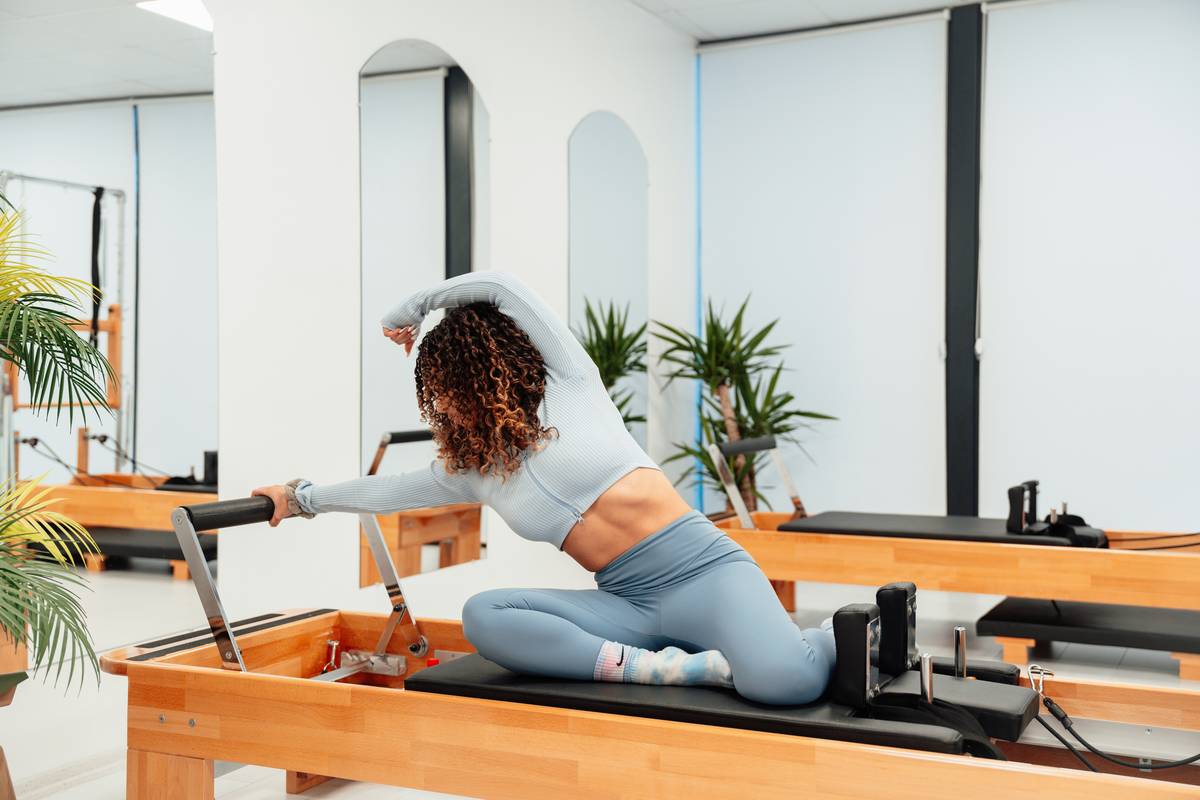
Here’s what studios won’t tell you: Pilates reshapes your body’s energy economy. By strengthening the posterior chain and pelvic floor, it improves alignment—so you stand taller, breathe deeper, and literally occupy more space. That structural shift increases resting metabolic rate by 4–7% over time (per biomechanics research from McGill University). But—and this is critical—it only works if you allow flexibility in execution. Miss a day? Do a 7-minute “spine twist” sequence instead. Traveling? Use a towel as a strap. This adaptability is why flexible pilates training retains users 3x longer than rigid gym plans. Sustainability isn’t optional—it’s the mechanism.
FAQ: Your Burning Questions—Answered Fast
Can beginners really lose weight with pilates?
Yes—if paired with slight calorie awareness. Pilates builds lean mass that elevates baseline burn. Start with mat-based flows; skip reformer costs early on.
How often should I do flexible pilates training for weight loss?
Aim for 3–5 sessions weekly (20–30 mins each). Consistency trumps marathon sessions. Even 10-minute “maintenance” days prevent metabolic backsliding.
Does pilates target belly fat specifically?
No exercise spot-reduces. But pilates strengthens deep core muscles, which cinches waist appearance and supports fat loss when combined with nutrition tweaks.