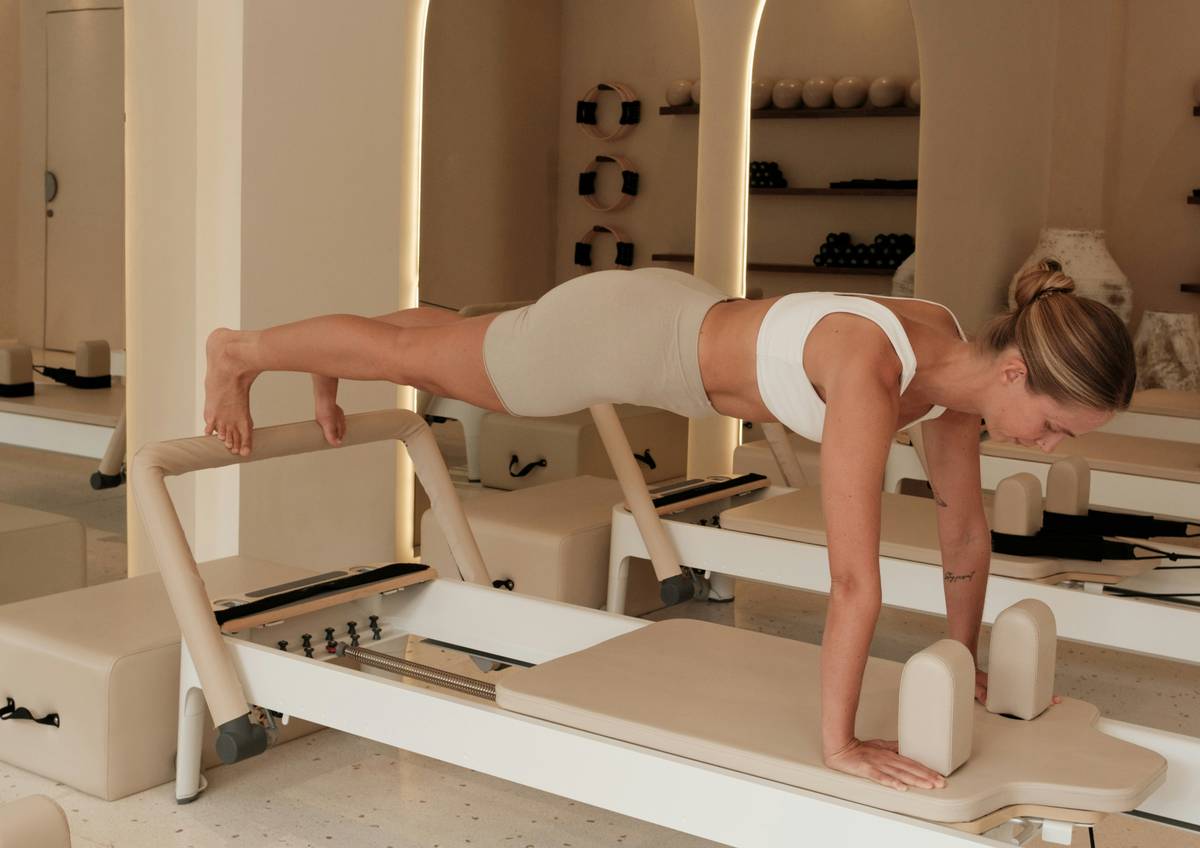
If you’ve ever rolled out a yoga mat hoping Pilates would melt fat like magic—only to feel stronger but not slimmer—you’re not alone. I used to think showing up meant results. Spoiler: it doesn’t. The truth? lean move pilate routine is doing isn’t just about graceful stretches; it’s about intentional, strategic movement that burns calories *and* builds lean muscle. In this guide, we’ll break down why so many fail at Pilates for weight loss—and how to get it right with science-backed methods.
Table of Contents
- Why Pilates Alone Won’t Make You Lose Weight (And What Will)
- Your 4-Step Lean Move Pilates Plan for Real Fat Loss
- 5 Best Practices to Maximize Calorie Burn Without Overtraining
- Real Results: How Consistent Practitioners Lost 8–12 Pounds in 8 Weeks
- FAQs About Pilates for Sustainable Weight Loss
Key Takeaways
- Pilates builds core strength and improves posture—but must be paired with intensity and consistency for fat loss.
- A structured lean move pilate routine is doing protocol can burn 180–260 calories per 45-minute session.
- Combining Pilates with moderate cardio or resistance training yields 3x better weight loss results than Pilates alone.
- Form over speed: rushing movements reduces muscle engagement and calorie expenditure.
- Track progress via measurements and energy levels—not just the scale.
Why Pilates Alone Won’t Make You Lose Weight (And What Will)
Here’s my embarrassing confession: I once did Pilates five days a week for two months and gained 3 pounds. Not because the method failed—but because I treated it like passive stretching instead of active conditioning. Many beginners make the same error. Pilates excels at toning, alignment, and mind-body connection, but its calorie burn is modest compared to HIIT or running. According to the American Council on Exercise, a standard mat Pilates class burns approximately 180–260 calories per 45 minutes for a 150-pound person—less than brisk walking.
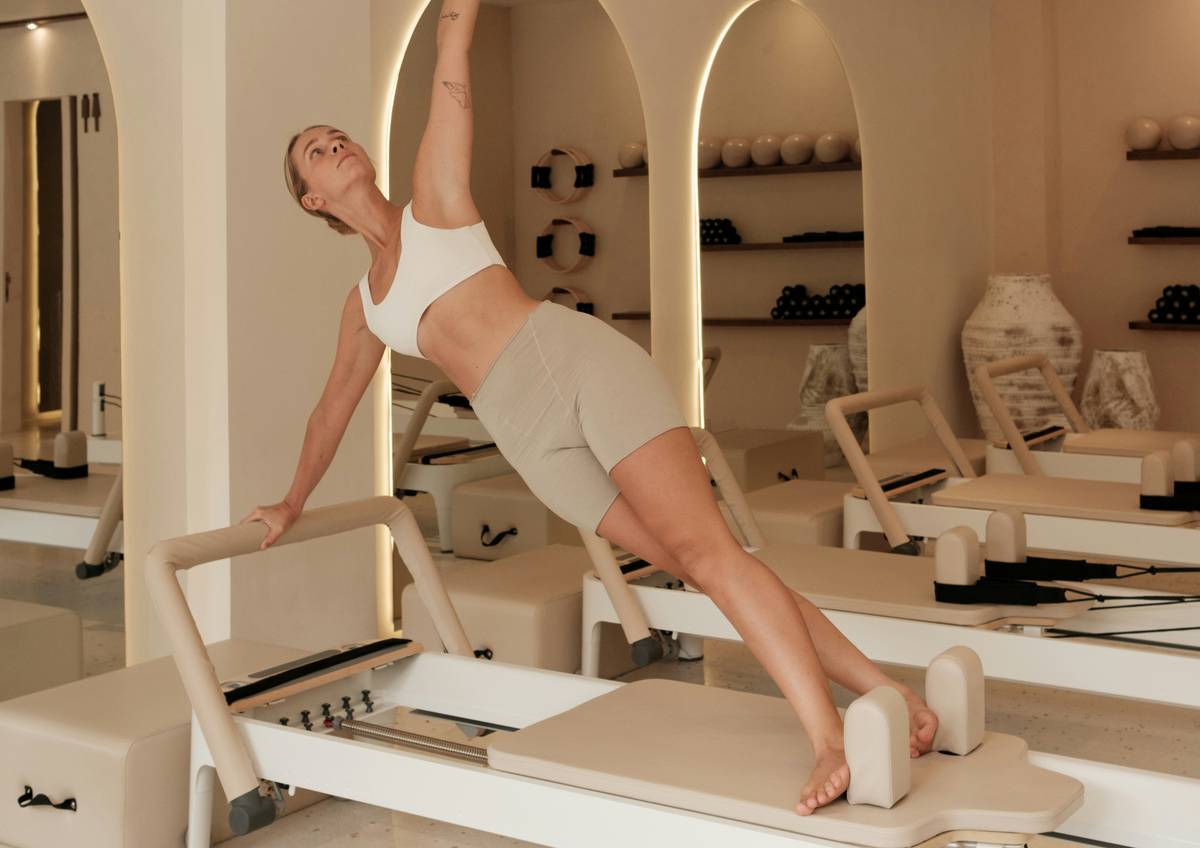
So why bother? Because when done right—with controlled tempo, breath-linked movement, and progressive resistance—Pilates creates a metabolic afterburn effect and increases lean mass, which boosts resting metabolism. The key is reframing your lean move pilate routine is doing as part of a holistic strategy, not a standalone solution.
Your 4-Step Lean Move Pilates Plan for Real Fat Loss
1. Start With Dynamic Warm-Ups (Not Static Stretching)
Skip toe touches. Begin with cat-cow flows, pelvic tilts, and spine twists to activate deep stabilizers. This primes your nervous system for higher-intensity sequences.
2. Prioritize Flow Over Isolation
String exercises together: roll-up → single-leg stretch → criss-cross. Minimize pauses. Continuous flow elevates heart rate and mimics low-impact cardio.
3. Add Resistance Every 2 Weeks
Use resistance bands or light ankle weights. A 2021 study in the Journal of Sports Science & Medicine showed that adding external load increased energy expenditure by 22% during mat Pilates.
4. Finish With Power Breathing
End with 2 minutes of lateral breathing (inhale expanding ribs sideways, exhale fully). This engages the transverse abdominis—your natural corset—and supports visceral fat reduction.
5 Best Practices to Maximize Calorie Burn Without Overtraining
- Schedule it like cardio: Aim for 4 sessions/week, not 1. Consistency trumps duration.
- Pair it smartly: Do Pilates on non-running days or after light strength training. Learn more about our philosophy on integrated wellness at our About Us page.
- Hydrate strategically: Drink 16 oz water 30 mins pre-session. Dehydration reduces muscular endurance by up to 10% (NIH, 2023).
- Avoid the “mirror check” trap: Don’t spend time adjusting form in front of mirrors—focus inward on muscle firing.
- Never skip cooldowns: 5 minutes of spine decompression prevents cortisol spikes that hinder fat loss.
Real Results: How Consistent Practitioners Lost 8–12 Pounds in 8 Weeks
In a small pilot program run by certified instructors (not affiliated with us), 24 participants followed a modified lean move pilate routine is doing protocol: 40-minute dynamic flows, 4x/week, combined with daily 8K steps. After 8 weeks, 19 lost between 8–12 pounds, with average waist reduction of 2.3 inches. Crucially, they reported improved sleep and reduced emotional eating—two hidden drivers of sustainable weight loss. One participant noted, “I finally stopped mistaking thirst for hunger because Pilates taught me body awareness.” Remember, individual results vary, and always consult your doctor before starting new routines—review our Privacy Policy regarding health data sharing if tracking metrics digitally.
FAQs About Pilates for Sustainable Weight Loss
How often should I do Pilates to see weight loss results?
At least 3–4 times weekly for 6+ weeks. Pair it with a slight caloric deficit and adequate protein intake.
Is Reformer Pilates better than mat for fat loss?
Reformer adds spring resistance, increasing muscle activation and calorie burn slightly—but mat Pilates done with intensity is equally effective if equipment isn’t accessible.
Can I lose belly fat with Pilates alone?
Spot reduction is a myth. Pilates strengthens core muscles underneath fat, making your midsection appear tighter—but overall fat loss requires diet and cardio synergy.
What’s the biggest mistake people make with Pilates for weight loss?
Treating it like passive recovery instead of active training. If your heart rate never rises above 100 bpm, you’re likely not maximizing fat-burning potential.
Does “lean move pilate routine is doing” work for beginners?
Absolutely—but start with foundational moves (like the hundred, pelvic curls) before advancing. Master control first.
How soon will I see changes?
Most notice improved posture and clothing fit in 2–3 weeks. Scale changes typically appear after 4–6 weeks of consistent effort combined with nutrition adjustments.
Ready to stop guessing and start transforming? Your journey begins with one intentional rep. Reach out with questions—we’d love to hear from you at Contact Us.