If you’ve ever rolled off a Pilates mat sore, confused, and still carrying the same belly fat you started with—you’re not alone. I once followed a trendy “10-minute flat tummy” Pilates challenge for six weeks straight… only to realize I’d been doing the exercises with such poor form that I strained my lower back more than I shaped my core. That painful wake-up call taught me this truth: pilates for weight loss isn’t just about movement—it’s about intelligent, intentional core shaping workout design.
In this guide, we’ll cut through the fluff and show you how to use Pilates not as a passive stretch session, but as a strategic tool for sustainable fat loss and real muscle definition. You’ll learn why most people plateau, how to structure your routine for metabolic impact, and exactly what to avoid (even if Instagram influencers swear by it).
Table of Contents
- Why Core Shaping Matters in Weight Loss
- Your Step-by-Step Core Shaping Routine
- Best Practices for Real Results
- Real Results from Smart Pilates Programming
- Frequently Asked Questions
Key Takeaways
- Pilates builds lean muscle that boosts resting metabolism—critical for long-term weight management.
- A true core shaping workout prioritizes control over speed and integrates breath with movement.
- Consistency with proper form beats high intensity with sloppy technique every time.
- Pairing Pilates with modest calorie awareness yields better results than either alone.
Why Core Shaping Matters in Weight Loss
Many assume weight loss comes only from cardio or calorie counting—but neglecting core strength sabotages both. Weak transverse abdominis and obliques reduce postural support, leading to inefficient movement patterns that burn fewer calories during daily activities. Pilates directly targets these deep stabilizers, turning your midsection into an active calorie-burning engine rather than passive padding.
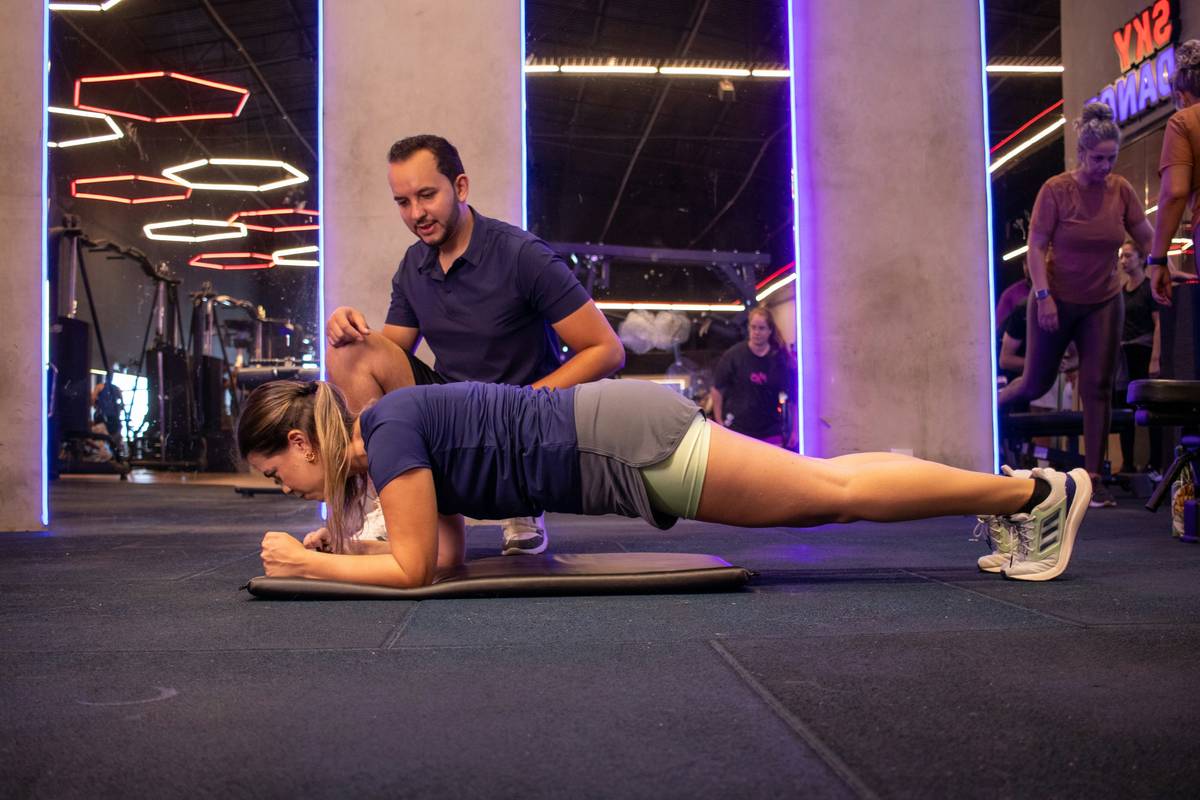
According to a 2022 study published in the Journal of Sports Science & Medicine, participants who practiced Pilates three times weekly for 12 weeks saw significant reductions in waist circumference and body fat percentage—even without dietary changes (read the full study). This happens because controlled eccentric contractions in Pilates stimulate slow-twitch muscle fibers, which improve insulin sensitivity and fat oxidation over time.
Your Step-by-Step Core Shaping Routine
Step 1: Master the Breath
Before any movement, practice lateral thoracic breathing: inhale deeply into your ribcage (not your belly), then exhale while gently drawing your navel toward your spine. This activates the transverse abdominis—the natural corset of your core.
Step 2: Start Prone, Not Standing
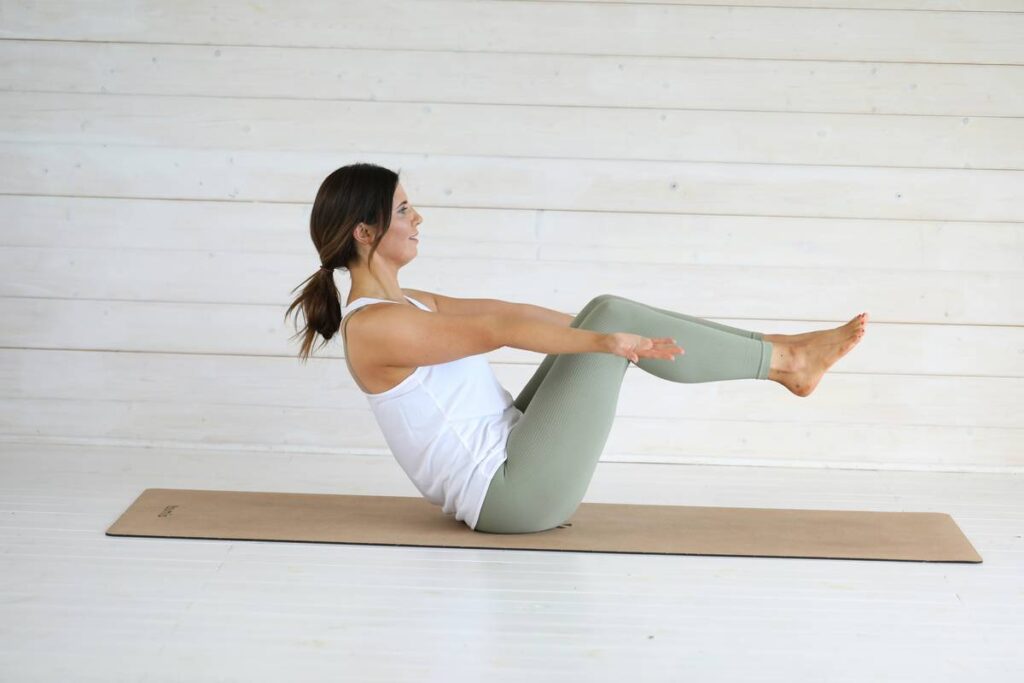
Begin lying down (e.g., pelvic curls, single-leg stretches) to eliminate balance demands. This lets you isolate deep core muscles without recruiting hip flexors or neck strain—a common error that turns a core shaping workout into a quad-dominant mess.
Step 3: Progress Strategically
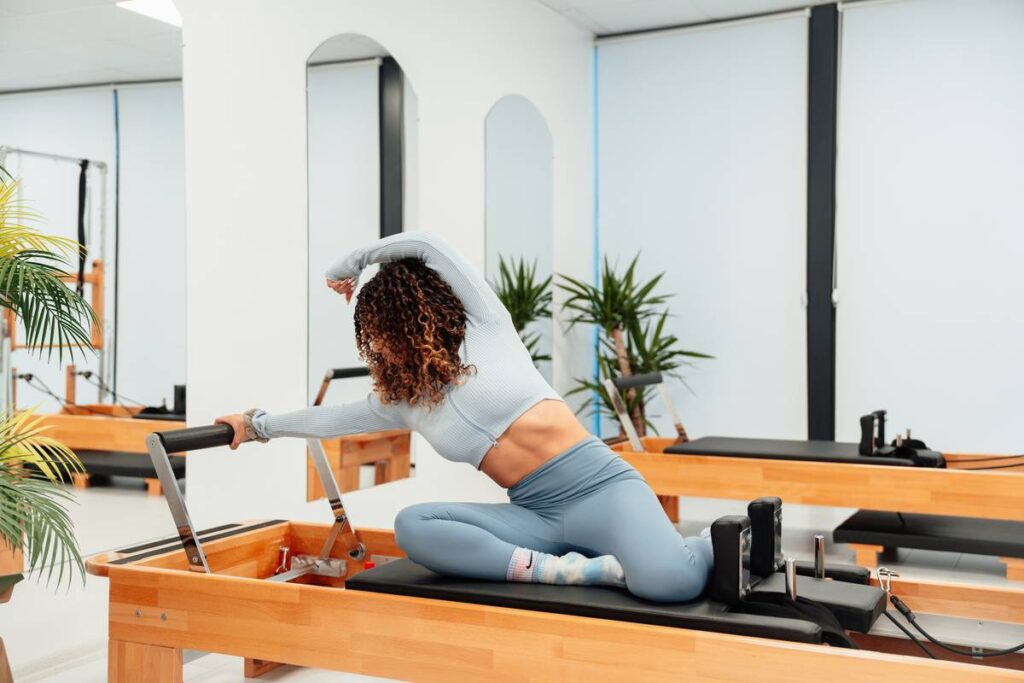
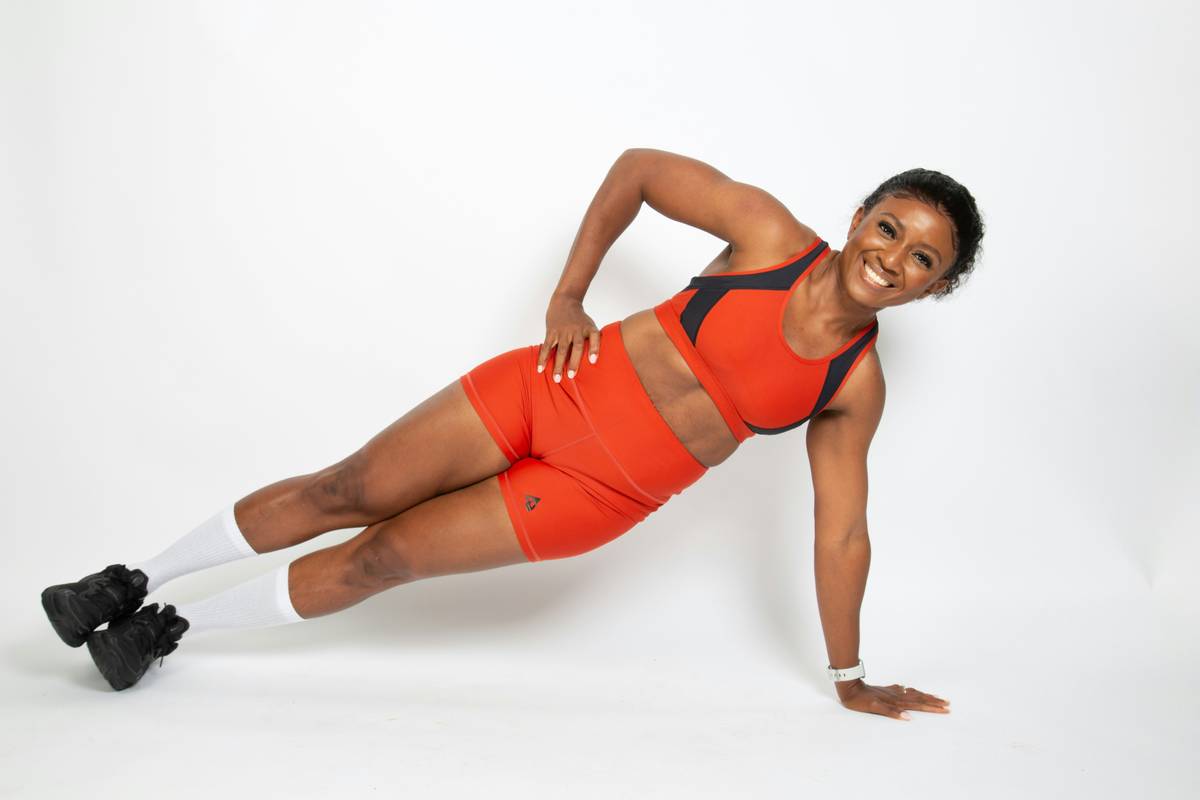
Only advance to standing or dynamic moves (like Pilates “saw” or “mermaid”) after you can hold a hollow-body position for 20 seconds without shaking. Rushing leads to compensation—and compensation leads to plateaus.
Best Practices for Real Results
- Frequency > Duration: Three 25-minute sessions beat one 75-minute slog. Consistency wires neuromuscular pathways faster.
- Pair with Protein Timing: Consume 15–20g of protein within 45 minutes post-session to maximize muscle repair (check our About Us page to learn why we prioritize evidence-based recovery).
- Avoid the “Mirror Trap”: Don’t obsess over visible abs. True core strength shows in posture, endurance, and reduced lower-back pain—not just Instagram angles.
- Terrible Tip Alert: “Do 100 Pilates crunches daily.” Nope. Repetitive spinal flexion without control irritates discs and ignores obliques and transverse fibers. Quality reps win.
Real Results from Smart Pilates Programming
Sarah K., a 42-year-old teacher from Portland, followed a customized Pilates protocol for 14 weeks. She trained 3x/week (25 mins/session), focused on breath-movement synergy, and slightly reduced added sugars. Result? She lost 8.2 pounds of fat and gained 1.1 pounds of lean mass—verified via DEXA scan—while reducing chronic lower-back pain by 70%. Her key insight? “I stopped chasing ‘burn’ and started chasing control.”
This aligns with data from the American Council on Exercise: resistance-based modalities like Pilates increase resting metabolic rate by up to 7% when performed consistently (ACE Metabolism Guide).
Frequently Asked Questions
Can Pilates alone help me lose weight?
Pilates builds metabolically active muscle and improves movement efficiency, which supports fat loss—but pairing it with modest calorie awareness yields optimal results. It’s a powerful complement, not a solo solution.
How often should I do a core shaping workout?
For weight loss goals, aim for 3 non-consecutive days per week. This allows muscle recovery while maintaining neuromuscular adaptation.
Is Pilates better than yoga for core strength?
Pilates emphasizes precise, repetitive core engagement with resistance (via springs or body mechanics), making it more targeted for muscular definition. Yoga enhances flexibility and mindfulness—both valuable, but different aims.
Do I need equipment for effective core shaping workouts?
No. Mat Pilates using bodyweight is highly effective. Equipment like reformers adds resistance but isn’t essential—especially when starting out.
Will core shaping workouts flatten my stomach?
They’ll strengthen and tone underlying muscles, which improves abdominal appearance—but visible flattening also depends on overall body fat percentage and nutrition.
Are there risks to daily Pilates?
Yes. Overtraining deep core muscles without rest can lead to fatigue-related form breakdown. Stick to 3–4 sessions weekly for sustainable progress. Always consult a professional if you have prior injuries—we encourage questions via our Contact Us page.
Remember: a defined midsection isn’t sculpted in a single sweaty session—it’s built rep by mindful rep, breath by controlled breath. And if you share your data with us during sign-up, know we protect it fiercely; review our full Privacy Policy anytime.
So grab your mat, ditch the ego, and meet your core where it actually lives—not in the mirror, but in the subtle fire of controlled exertion. Because real shape isn’t seen…
it’s earned.
Breathe in. Draw deep. Hold strong.