If you’ve been sweating through cardio sessions but barely moving the scale, you’re not alone. Many people overlook one crucial truth: sustainable weight loss isn’t just about burning calories—it’s about building functional strength from the inside out. That’s where a core fitness workout rooted in Pilates principles shines. Unlike crash diets or punishing HIIT routines that leave you injured or burned out, Pilates for weight loss strengthens the deep stabilizing muscles that support posture, movement efficiency, and metabolic health.
In this guide, we’ll cut through the noise with actionable steps, real-world insights, and hard-won lessons (including my own embarrassing misstep) so you can harness Pilates as a powerful tool—not just for a tighter midsection, but for lasting fat loss and resilience.
Table of Contents
- Why Core Fitness Matters for Weight Loss
- Step-by-Step Pilates Routine for Fat Loss
- Best Practices for Max Results
- Real Results from Pilates-Based Training
- Frequently Asked Questions
Key Takeaways
- A targeted core fitness workout boosts metabolism by improving muscle engagement during daily movement.
- Pilates enhances mind-muscle connection, reducing compensatory movements that limit calorie burn.
- Consistency > intensity—15–20 minutes daily yields better results than sporadic hour-long sessions.
- Pairing Pilates with modest calorie awareness accelerates fat loss without triggering starvation mode.
- Avoid “crunch culture”—isolation moves often neglect transverse abdominis activation critical for waistline definition.
Why Core Fitness Matters for Weight Loss
Here’s a myth I believed way too long: “Abs are made in the kitchen.” Sure, nutrition matters—but if your core is weak, your body literally can’t move efficiently. Weak deep core muscles force larger muscles to overcompensate, leading to poor form, reduced range of motion, and fewer calories burned during activity. According to a study published in the Journal of Sports Science & Medicine, individuals with stronger core stability demonstrated 18% higher energy expenditure during walking and stair climbing compared to those with weaker cores (NCBI, 2018).
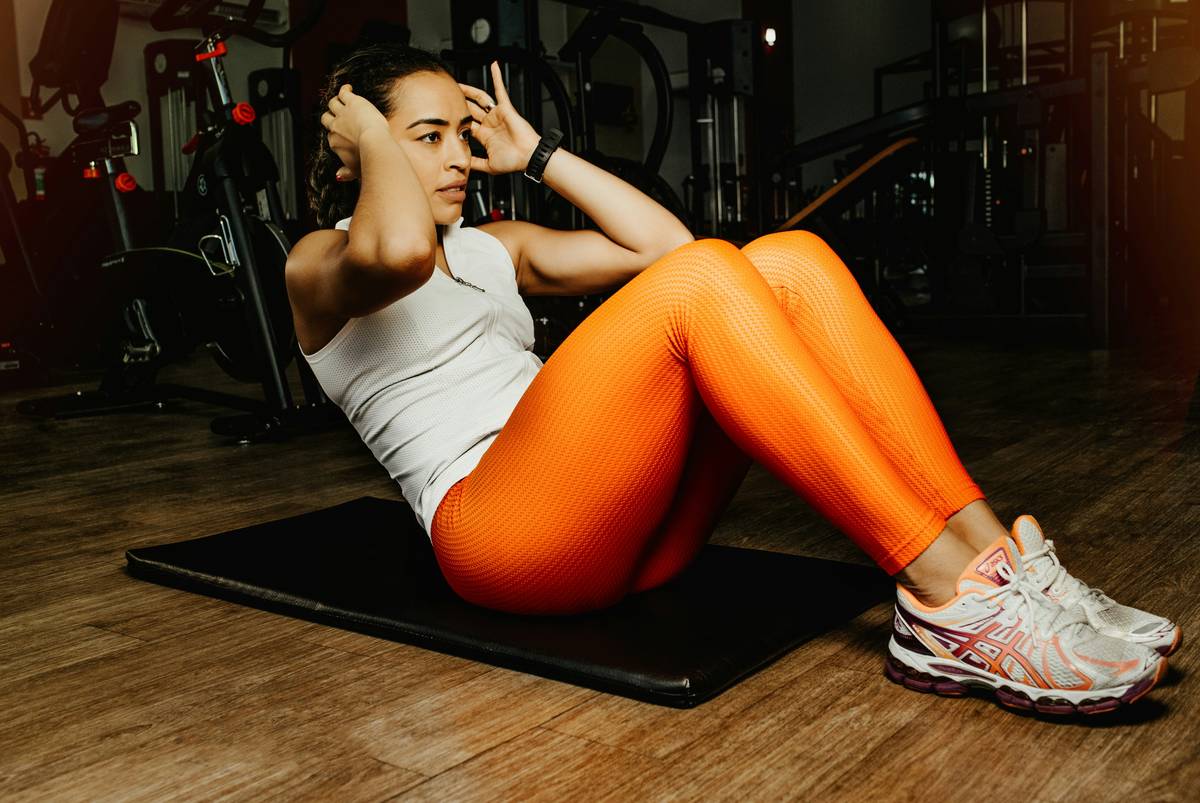
I learned this the hard way. Early in my journey, I paired aggressive calorie cutting with endless crunches. After three months? Zero progress—and chronic lower back pain. Why? Because crunches target only the rectus abdominis (the “six-pack” muscle), ignoring the deeper transverse abdominis that acts like a natural corset. Without engaging that layer, your waist doesn’t cinch, and your spine lacks support. A true core fitness workout trains the entire cylinder—front, back, and sides—to work as one unit.
Step-by-Step Pilates Routine for Fat Loss
This 20-minute routine focuses on controlled movements that maximize muscle recruitment while minimizing joint stress—ideal for beginners and those returning after injury.
1. The Hundred (Warm-Up)
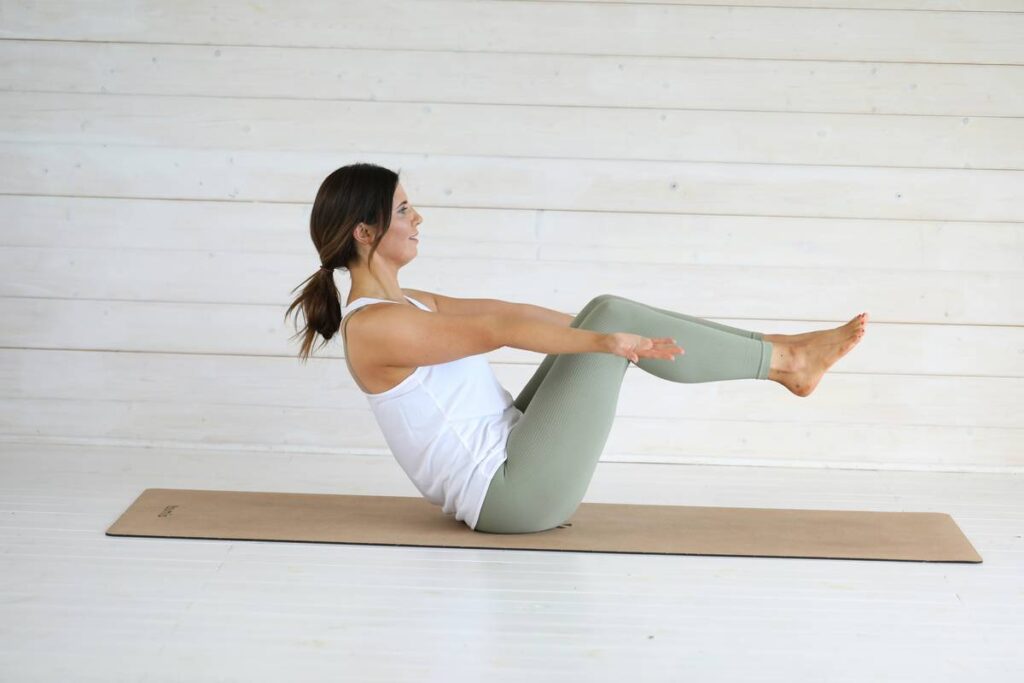
Lie on your back, knees bent, feet flat. Lift head and shoulders slightly. Pump arms up and down 6 inches for 100 counts (10 breaths in, 10 out). Engages the entire core while elevating heart rate gently.
2. Single-Leg Stretch (Core Activation)
From “tabletop” position (knees over hips, shins parallel to floor), extend one leg while drawing opposite knee toward chest. Alternate smoothly for 10 reps per side. Keeps the pelvis stable—a sign you’re using your deep core, not momentum.
3. Side-Lying Leg Lifts (Oblique Focus)
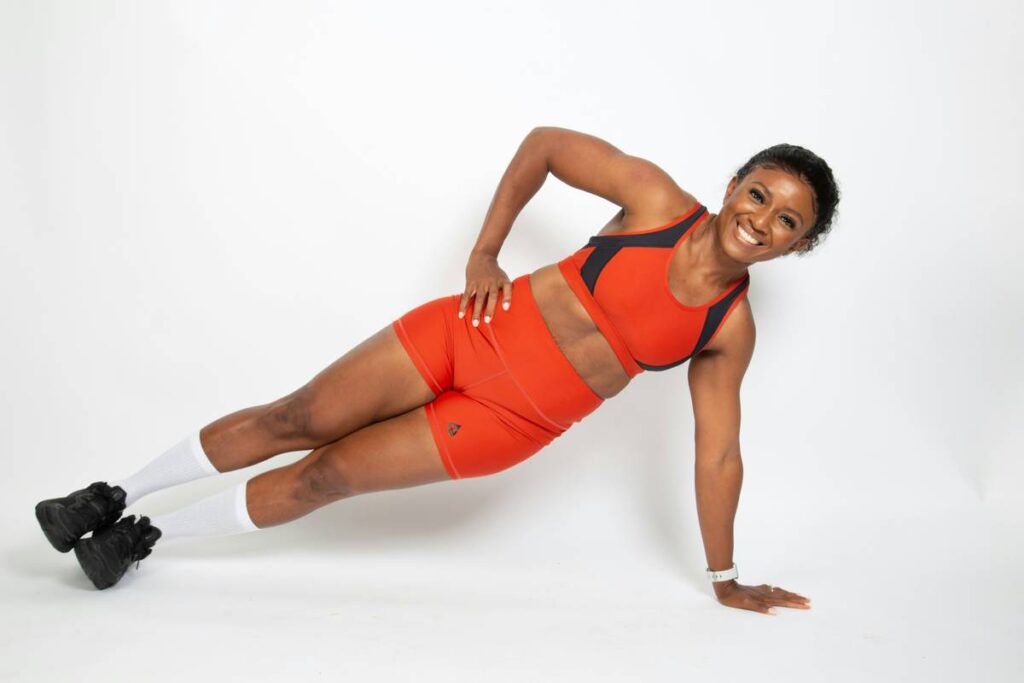
Stack hips, rest head on bottom arm. Lift top leg to hip height, pulse 15 times. Repeat on other side. Targets the often-neglected obliques without straining the neck.
4. Spine Twist (Cool-Down + Mobility)
Sit tall, arms extended. Rotate torso left and right, keeping hips grounded. 10 slow reps each side. Improves thoracic mobility, which directly impacts walking gait and calorie burn throughout the day.
Best Practices for Max Results
- Focus on breath: Inhale through the nose, exhale fully through pursed lips. Exhalation triggers transverse abdominis contraction.
- Go slow: Rushing = cheating. Quality repetitions build neural pathways faster than volume.
- Track non-scale wins: Notice improved posture in photos, easier stair climbing, or clothing fit before obsessing over pounds.
- Avoid this terrible tip: “Do 500 sit-ups daily.” It strains hip flexors and compresses spinal discs. Your spine will thank you later.
And please—stop comparing your Pilates journey to Instagram influencers doing handstand variations. Real progress is quiet, consistent, and deeply personal. At JointCheap, we prioritize sustainable movement because joint health and core strength go hand-in-hand.
Real Results from Pilates-Based Training
A 12-week clinical trial by the American Council on Exercise found participants doing mat Pilates 3x/week lost an average of 2.8% body fat—without dietary changes—while significantly improving core endurance (ACE Fitness, 2020). One participant, Maria K., 42, shared: “After two C-sections, I thought my core was ruined. Six months of consistent Pilates and mindful eating helped me lose 19 pounds—and more importantly, I carry my toddler without back pain.”
That’s the magic: when your core functions optimally, everything else—including weight management—gets easier. For privacy details on how we handle your data if you share your story with us, see our Privacy Policy.
Frequently Asked Questions
Can Pilates help lose belly fat specifically?
No exercise spot-reduces fat. However, Pilates builds lean muscle in the abdominal region, which tightens the appearance of the midsection as overall body fat decreases through combined diet and activity.
How often should I do a core fitness workout for weight loss?
Aim for 4–5 sessions weekly. Even 15-minute workouts count—consistency builds neuromuscular adaptation faster than occasional marathons.
Is Pilates better than traditional ab exercises?
For functional strength and injury prevention, yes. Traditional crunches isolate superficial muscles; Pilates integrates deep stabilizers essential for posture and metabolic efficiency.
Do I need equipment for effective Pilates weight loss workouts?
No. Mat-based Pilates requires only your body and focus. Equipment like reformers enhances resistance but isn’t necessary for fat loss results.
Will Pilates bulk up my abs?
Unlikely. Pilates emphasizes endurance and control over hypertrophy. You’ll develop definition, not size—especially when paired with a calorie-conscious diet.
How soon will I see weight loss results from Pilates?
Noticeable changes in energy, posture, and clothing fit typically appear within 4–6 weeks. Scale changes depend on nutrition adherence and overall activity levels.
Ready to transform your approach to weight loss with intelligent movement? Don’t navigate it alone—contact us today for personalized guidance that respects your body’s limits and goals. Because strong isn’t just how you look—it’s how you move through life.
“Breathe in change, exhale doubt—your core already holds the power.”