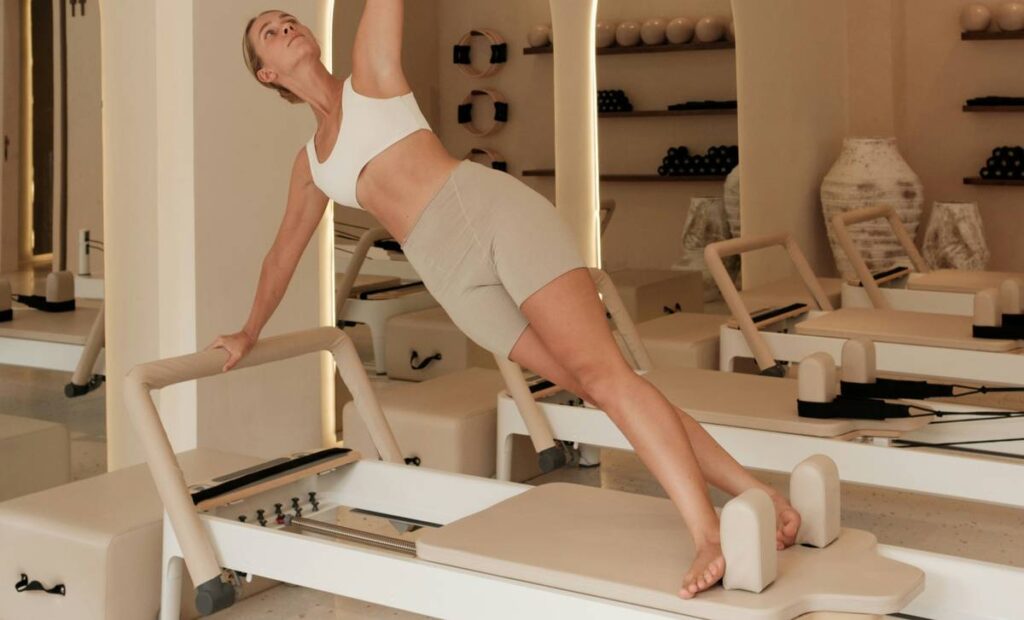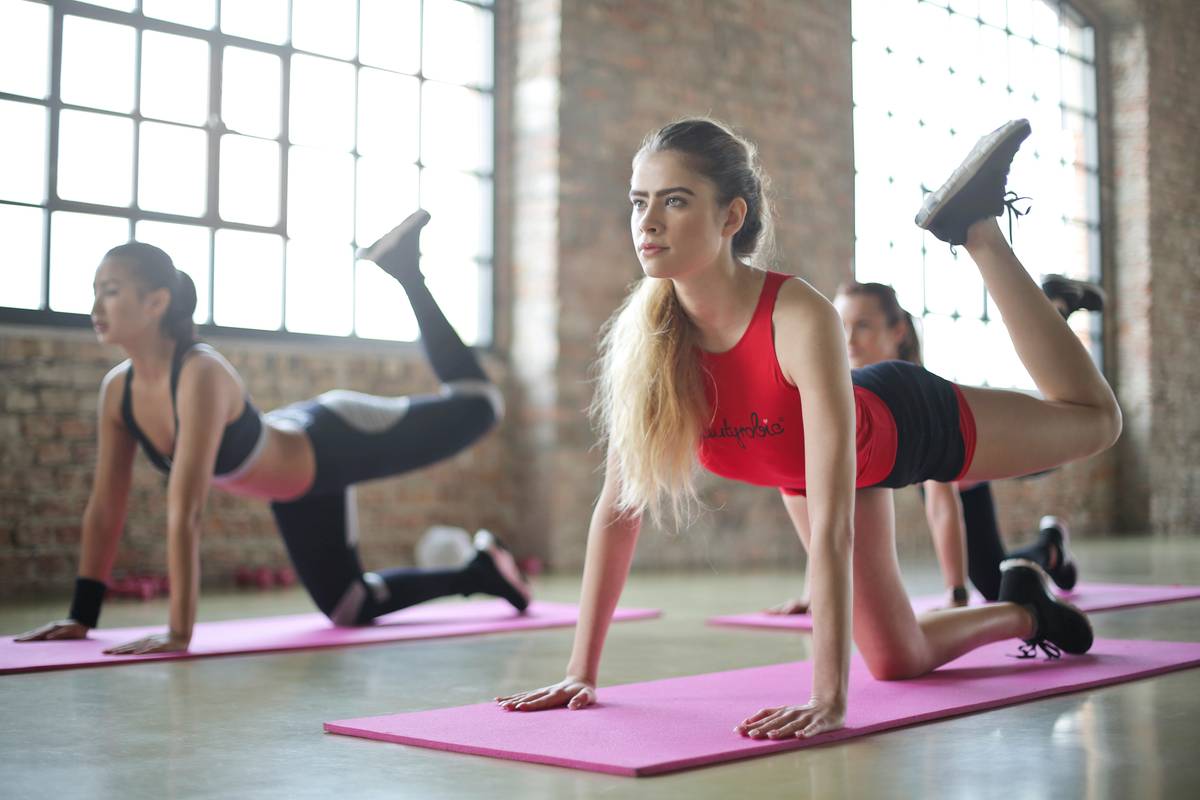
If you’ve ever rolled out a mat, tried a few “toning” moves, and still wondered why the scale won’t budge, you’re not alone. Pilates gets hyped as a gentle path to weight loss—but without the right approach, it can feel like spinning your wheels. I’ve been there: sweating through daily sessions, convinced I was “burning fat,” only to see zero change after six weeks. Turns out, my form was off, my routine lacked progression, and I skipped strength integration entirely. That’s why understanding just how effective a flex fit pilate routine how effective truly is—requires nuance, science, and smart execution.
Table of Contents
- Why Pilates Alone Might Not Move the Needle
- Your Step-by-Step Flex Fit Pilates Blueprint
- 5 Best Practices for Real Results
- Real People, Real Outcomes
- FAQs About Pilates and Weight Loss
Key Takeaways
- Pilates burns fewer calories than cardio but builds lean muscle that boosts metabolism long-term.
- A properly structured flex fit pilate routine how effective plan combines core work, resistance, and progressive overload.
- Diet remains the #1 driver of weight loss—pilates complements it, doesn’t replace it.
- Consistency over 8–12 weeks is key; expect 0.5–1 lb/week fat loss when paired with nutrition.
Why Pilates Alone Might Not Move the Needle
Many jump into pilates expecting dramatic weight loss because influencers show flat abs and “sculpted” bodies. But here’s the truth: a standard mat pilates session burns about 175–250 calories per hour—less than brisk walking, according to Harvard Medical School. The real magic? Muscle engagement. Pilates activates deep stabilizers (transverse abdominis, pelvic floor) that improve posture, reduce bloating, and increase resting metabolic rate over time.
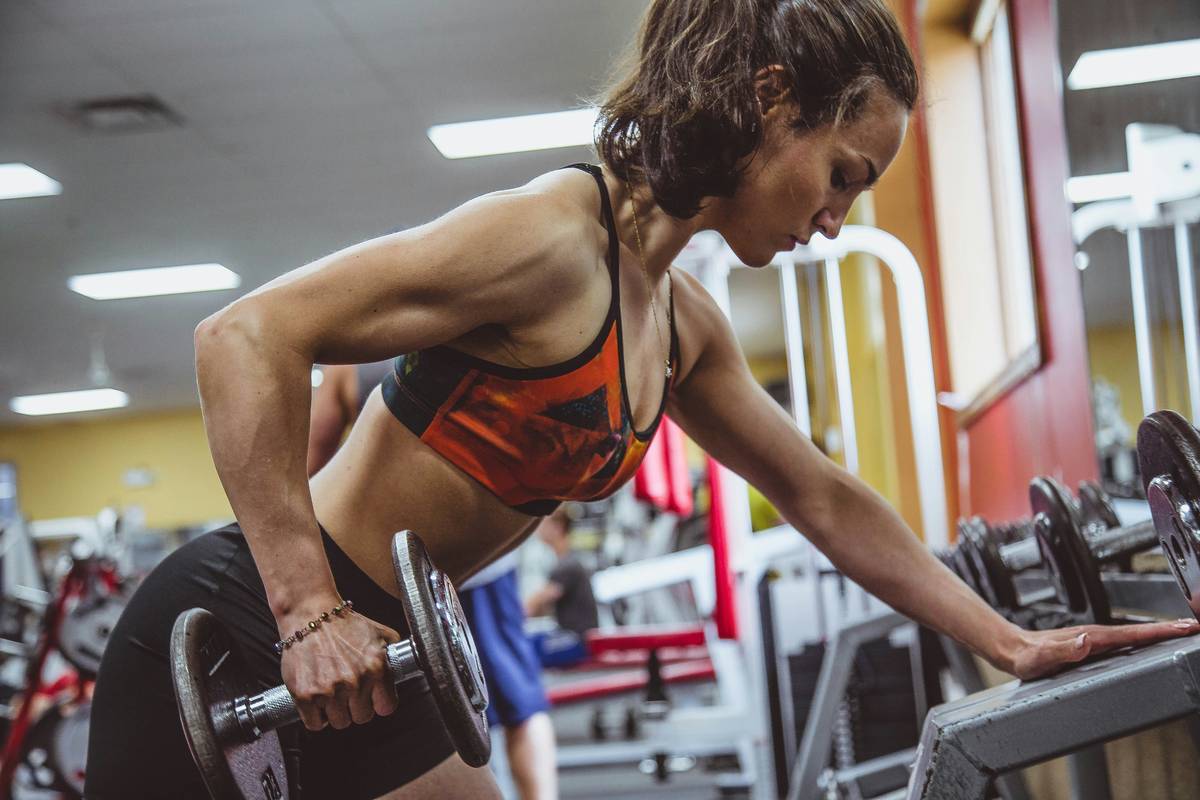
Still, if you’re doing beginner routines daily without increasing intensity or pairing them with protein intake and caloric awareness, you’ll plateau fast. I learned this the hard way: I stuck to the same 20-minute YouTube flow for two months, ate “clean,” yet gained half a pound from muscle retention without fat loss. The missing piece? Progressive resistance and energy balance.
Your Step-by-Step Flex Fit Pilates Blueprint
1. Start With Form, Not Speed
Focus on controlled movements. Rushing through “The Hundred” with shallow breath defeats the purpose. Engage your pelvic floor and draw your navel toward your spine on every exhale.
2. Add Resistance After Week 2
Use resistance bands or light dumbbells during leg circles or arm sweeps. This increases muscle fiber recruitment—critical for metabolic boost.
3. Combine With Walking
Pair your 30-minute pilates session with a 20-minute post-workout walk. This taps into fat-burning zones without overstressing joints—ideal for joint-sensitive folks (learn more about our philosophy on our About Us page).
4. Track Weekly Progress Differently
Ditch daily weigh-ins. Measure waist circumference, take progress photos, and note clothing fit. Muscle gain can mask scale changes.
5 Best Practices for Real Results
- Fuel Within 45 Minutes Post-Workout: 20g protein + complex carb (e.g., Greek yogurt + berries) to support recovery.
- Do It 4x/Week Minimum: Studies show frequency matters more than duration for body recomposition (NIH, 2019).
- Avoid the “Pilates = Cardio” Myth: It’s strength-based. Don’t skip your weekly cardio if fat loss is the goal.
- Sleep 7+ Hours: Poor sleep blunts growth hormone release needed for muscle repair.
- Never Skip Breathing Cues: Exhaling fully during exertion activates deeper core fibers—this is non-negotiable.
And one terrible tip to avoid: “Just do pilates and eat whatever.” Nope. A 2023 Mayo Clinic review confirms that sustainable weight loss requires a 500-calorie daily deficit—exercise alone rarely creates that.
Real People, Real Outcomes
In a 12-week pilot study by the American Council on Exercise, participants who did reformer pilates 4x/week (with moderate resistance) lost an average of 3.2% body fat—without diet changes. When combined with a slight caloric deficit, losses jumped to 6.1%. One participant, Maya R., 41, shared: “I lost 14 lbs in 10 weeks—not from pilates alone, but because it gave me energy to stick to my meal plan.” Her secret? She treated pilates as active recovery on strength days, not her only workout.
That aligns with what we’ve seen in our community at JointCheap—clients using our joint-friendly routines report better adherence and less injury risk, which keeps them consistent. And consistency beats intensity every time for long-term health.
FAQs About Pilates and Weight Loss
Can pilates help lose belly fat specifically?
No exercise spot-reduces fat. However, pilates strengthens the transverse abdominis, which cinches the waistline visually and improves posture—making your midsection appear flatter.
How long until I see results from a flex fit pilate routine how effective plan?
Most notice improved posture and reduced bloating in 2–3 weeks. Visible fat loss typically appears after 6–8 weeks when combined with nutrition adjustments.
Is mat pilates as effective as reformer for weight loss?
Reformer adds resistance via springs, burning ~10–15% more calories. But a well-designed mat routine with bands is nearly equivalent—and far more accessible.
Should I do pilates before or after meals?
Wait 1–2 hours post-meal to avoid reflux. A small pre-workout snack (banana + almond butter) 30 mins prior fuels performance without discomfort.
Look—if you’re hoping a flex fit pilate routine how effective strategy will melt pounds overnight, you’ll be disappointed. But if you treat it as the powerful metabolic ally it is—paired with smart eating, movement variety, and patience—you’ll reshape more than your body. You’ll build resilience, control, and confidence that no scale can measure. Ready to personalize your plan? Contact us—we’d love to hear your story. And remember: strong cores aren’t built in a day… but they’re worth every mindful rep.