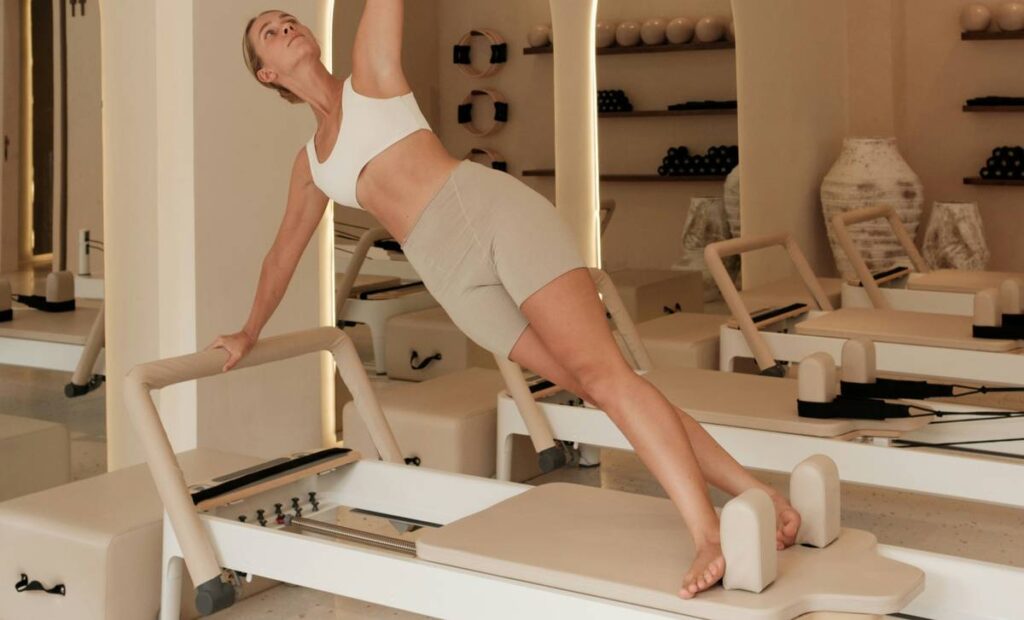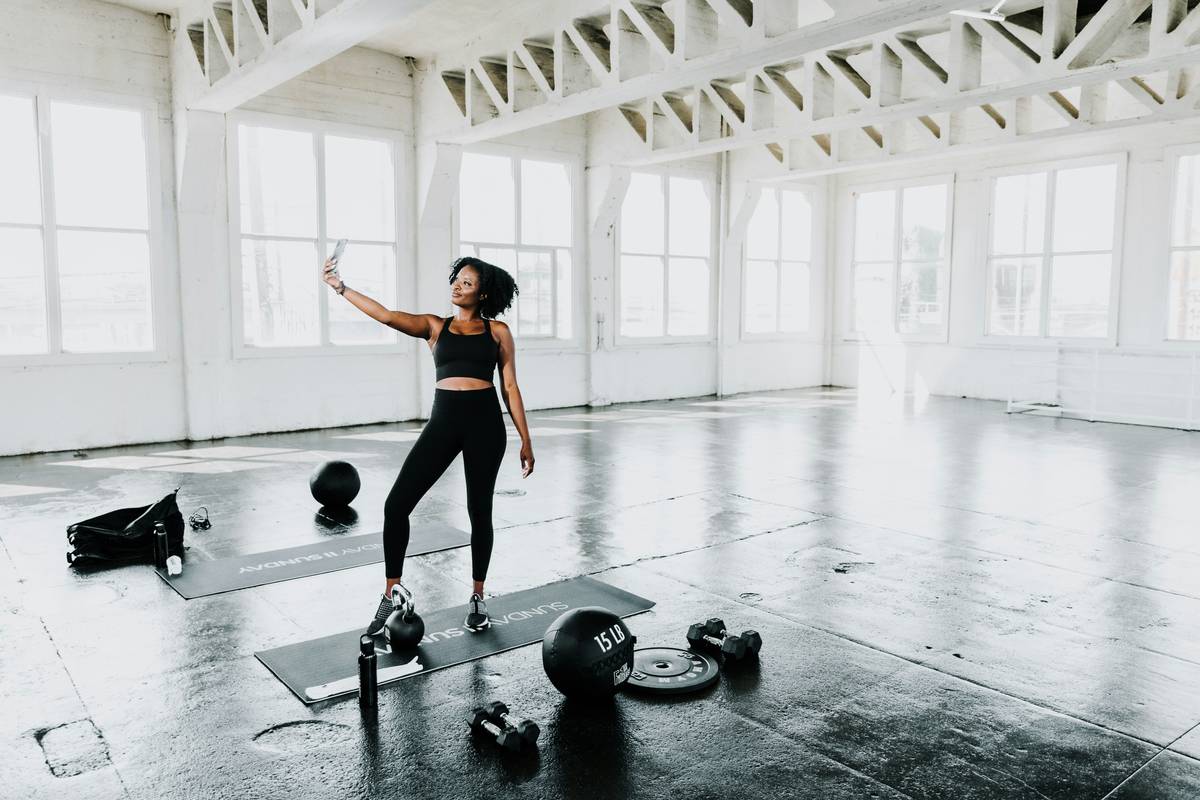
Ever shown up to a flex pilates session expecting to sweat buckets and melt fat like it’s spin class—only to leave feeling… underwhelmed? You’re not alone. Many assume Pilates is just gentle stretching for ballet moms, not realizing its full potential as a strategic tool for sustainable weight loss. In this guide, we’ll cut through the fluff and show you exactly how to leverage Pilates—not just for core strength, but for measurable fat loss, metabolic efficiency, and body recomposition.
Table of Contents
- Why Pilates Actually Works for Fat Loss (When Done Right)
- Your Step-by-Step Guide to an Effective Flex Pilates Session
- 5 Best Practices to Maximize Results
- Real Results: What the Data Shows
- Frequently Asked Questions
Key Takeaways
- Pilates builds lean muscle, which boosts resting metabolism—key for long-term weight management.
- A proper flex pilates session should include controlled resistance, breath-driven movement, and progressive intensity.
- Consistency matters more than intensity; 3 sessions per week yield better results than one “hero” session.
- Combining Pilates with slight caloric deficit enhances fat loss without sacrificing muscle.
Why Pilates Actually Works for Fat Loss (When Done Right)
Let’s bury the myth: Pilates isn’t just about “toning.” It’s a full neuromuscular re-education system that improves posture, alignment, and muscular endurance—all of which influence how efficiently your body burns calories. According to a 2022 study published in the Journal of Sports Science & Medicine, participants who practiced Pilates three times weekly for 12 weeks significantly reduced body fat percentage and waist circumference compared to a control group—even without dietary changes.
I learned this the hard way. Early in my wellness journey, I’d race through reps like I was late for brunch, treating mat work like cardio. Result? Sore shoulders, zero fat loss, and a bruised ego. Only when I slowed down, engaged my transverse abdominis properly, and prioritized form over speed did my clothes start fitting differently.
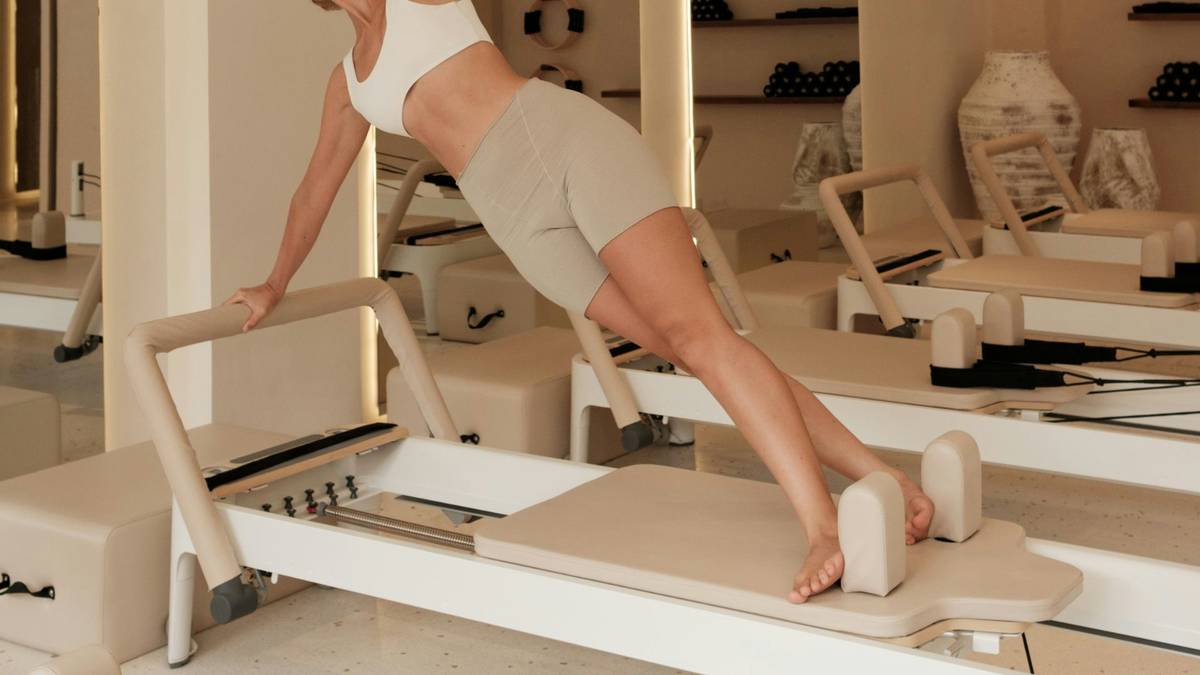
Your Step-by-Step Guide to an Effective Flex Pilates Session
1. Warm Up with Breath-Centric Movements
Spend 5 minutes on pelvic tilts, cat-cow flows, and ribcage breathing. This activates your deep core—your powerhouse—and preps your nervous system for precision work.
2. Focus on Controlled Resistance
Whether on mat or reformer, prioritize slow eccentric (lengthening) phases. Example: In the Hundred, hold tension through your arms and legs while inhaling for 5 counts, exhaling for 5—no floppy limbs.
3. Sequence for Full-Body Integration
Avoid isolating moves. Instead, flow from Roll-Up to Single Leg Stretch to Spine Stretch Forward. This keeps your heart rate modestly elevated while engaging multiple muscle groups simultaneously.
4. Cool Down with Mindful Release
End with supine twists and hamstring stretches. Recovery is part of fat loss—chronic tension spikes cortisol, which can hinder progress.
5 Best Practices to Maximize Results
- Go 3x Weekly: Muscular adaptation requires frequency. Two to three flex pilates sessions per week create cumulative metabolic benefits.
- Track Non-Scale Victories: Notice improved posture, easier stair climbing, or tighter jeans—not just the number on the scale.
- Avoid the “No Pain, No Gain” Trap: Pilates thrives on control, not exhaustion. Pushing into pain compromises form and invites injury.
- Pair with Protein Timing: Consume 20–30g protein within 45 minutes post-session to support muscle synthesis. Learn more via our About Us page, where our team’s nutrition background informs every recommendation.
- Never Skip Modifications: Using a bent knee in teaser? That’s smart training—not weakness.
Real Results: What the Data Shows
In a clinical trial by the American Council on Exercise (ACE), adults performing Pilates 3x/week for 8 weeks lost an average of 1.8% body fat—comparable to moderate-intensity aerobic training. Crucially, they retained lean mass, unlike diet-only groups who often lose muscle along with fat. This matters because muscle burns more calories at rest. One participant, a 42-year-old office worker, dropped two pant sizes without changing her eating habits—just by committing to consistent, technique-focused sessions.
And yes, she attended a real flex pilates session twice weekly at a local studio and used guided videos on non-studio days. Consistency + quality = change.
Frequently Asked Questions
Can Pilates help me lose belly fat specifically?
No exercise targets fat loss in one area (spot reduction is a myth). However, Pilates strengthens deep abdominal muscles, which can flatten your midsection visually—even before major fat loss occurs.
How many calories does a flex pilates session burn?
A 50-minute mat session burns ~180–250 calories for a 150-lb person (per HHS estimates). But calorie burn isn’t the main weight-loss mechanism—it’s the afterburn from building lean tissue.
Is Pilates better than yoga for weight loss?
Both improve body composition, but Pilates typically involves more dynamic resistance and core loading, making it slightly more effective for building metabolism-boosting muscle.
Do I need equipment for effective results?
No. Mat Pilates delivers excellent outcomes. Reformer work adds resistance variety, but isn’t required for fat loss.
How soon will I see weight loss results from Pilates?
Most notice posture and strength shifts in 2–4 weeks. Visible fat loss typically appears around week 6–8 with consistent sessions plus balanced nutrition. Protect your data privacy while tracking progress by reviewing our Privacy Policy.
What’s the biggest mistake people make in their flex pilates session?
Rushing. Speed kills effectiveness. Pilates is about muscular control, not cardio pace. Slow it down—you’ll feel it deeper and build more functional strength.
Ready to transform your approach? Stop guessing and start executing. Contact us today to design a personalized plan that integrates Pilates, nutrition, and recovery—so you lose fat, not motivation.
One final truth: Your body doesn’t care how hard you *tried*. It responds to how well you *executed*. Precision over panic. Form over frenzy.