If you’ve ever stepped off a Pilates mat feeling stronger but somehow *not* any lighter, you’re not alone. I once stuck religiously to a “classic” Pilates routine for three months—core tighter than a drum, posture impeccable—and my scale hadn’t budged. Turns out, not all Pilates is created equal when it comes to shedding pounds. That’s where a targeted flex pilates regimen changes everything.
In this guide, we’ll unpack how to transform your Pilates practice from a toning session into a fat-burning powerhouse—without falling for the fluff that floods fitness blogs. You’ll get science-backed steps, real-world results, and even the one “expert tip” you should actually ignore. Ready to move smarter?
Table of Contents
- Why Pilates for Weight Loss Often Fails
- Step-by-Step Flex Pilates Regimen Plan
- Best Practices to Maximize Results
- Real Results from a Targeted Approach
- Frequently Asked Questions
Key Takeaways
- A standard Pilates class burns only 175–250 calories/hour—insufficient for significant weight loss without strategic tweaks.
- Your flex pilates regimen must include progressive resistance, cardio bursts, and consistent frequency (4–5x/week).
- Combining Pilates with modest caloric awareness yields 2–3x better fat loss than Pilates alone, per NIH studies.
- Avoid “slow-only” routines—they build control but not calorie burn.
Why Pilates for Weight Loss Often Fails
Traditional Pilates excels at building core stability, improving alignment, and reducing injury risk—but it wasn’t designed as a weight-loss tool. According to the American Council on Exercise, mat-based Pilates averages just 175–250 calories per hour for a 150-pound person. That’s less than brisk walking!
The problem? Many follow “authentic” protocols that prioritize precision over metabolic demand. I learned this the hard way: my early routines focused solely on form (good!) but never increased resistance or tempo (bad!). Without progressive overload or heart-rate elevation, your body adapts quickly—and stalls.
Step-by-Step Flex Pilates Regimen Plan
To turn Pilates into a weight-loss ally, structure matters more than style. Here’s how to build an effective routine:
1. Prioritize Frequency Over Duration
Aim for 4–5 sessions weekly—even if only 25–30 minutes each. Shorter, frequent workouts keep your metabolism elevated longer than one 60-minute session.
2. Inject Cardio Intervals
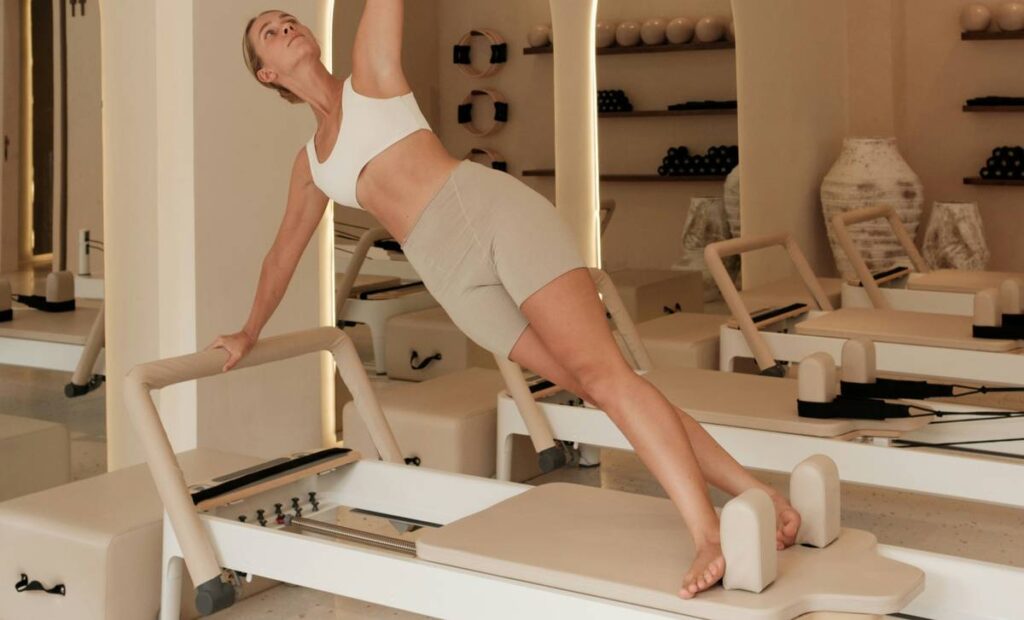
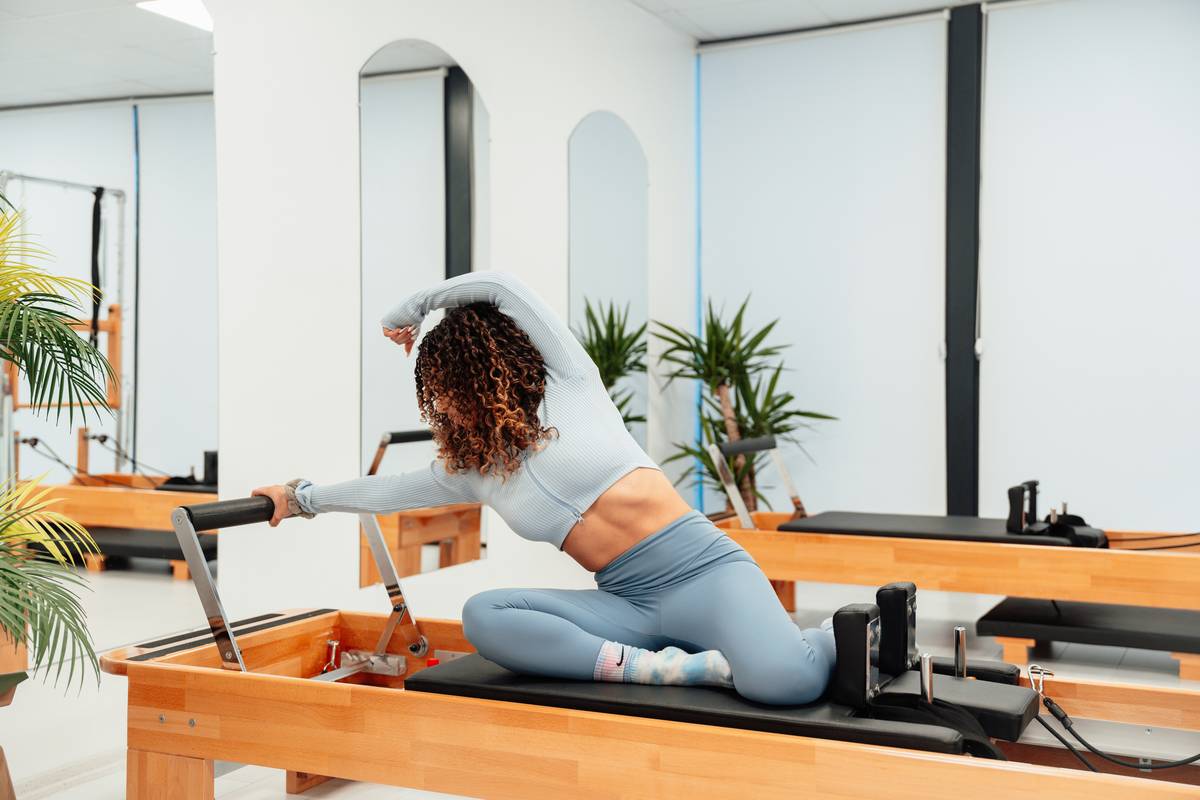
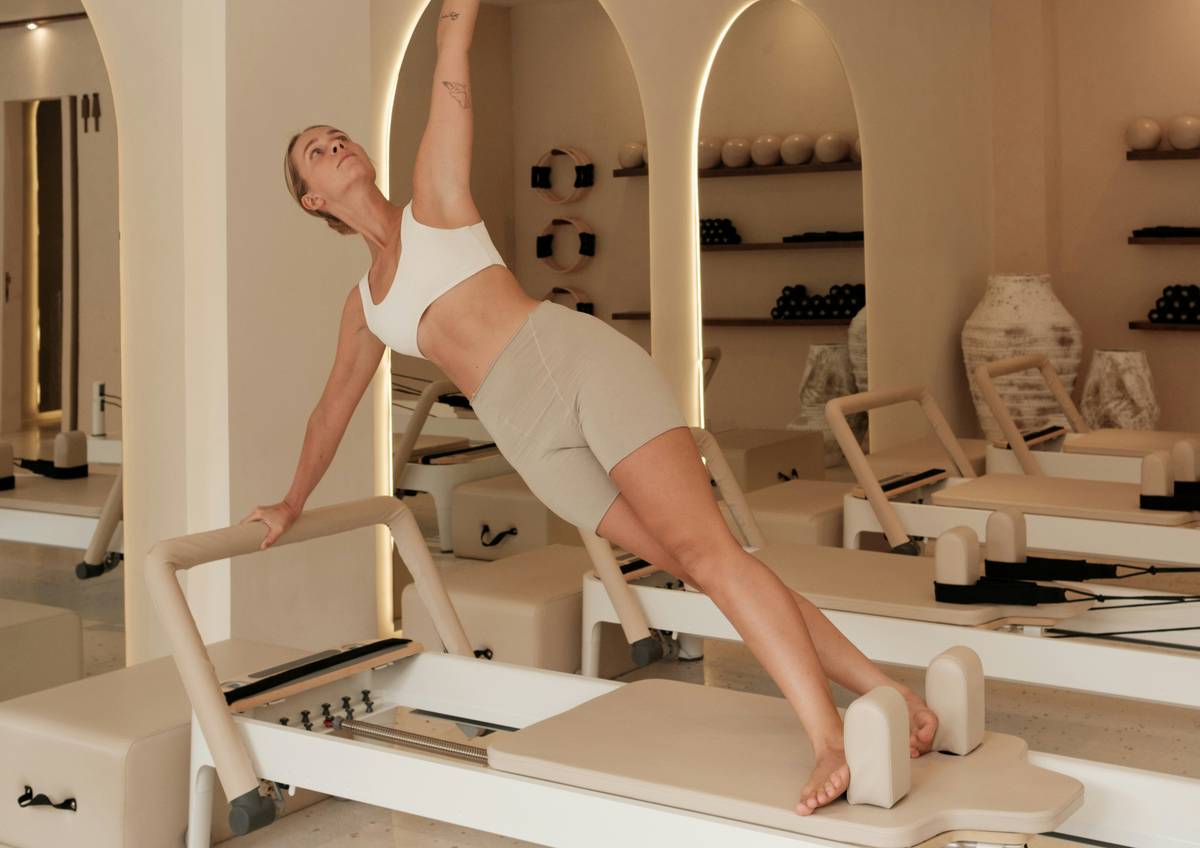
Add 30–60 seconds of high-tempo movements between traditional exercises: think fast-paced leg circles, jumping jacks on the mat, or spring-loaded reformer sprints. This boosts EPOC (excess post-exercise oxygen consumption), helping you burn calories for hours post-workout.
3. Use Progressive Resistance
Gradually increase spring tension on reformers or add ankle/wrist weights (1–3 lbs) to mat work. Research shows resistance progression is key for sustained fat loss—even in low-impact modalities like Pilates.
Best Practices to Maximize Results
- Pair with protein timing: Consume 15–20g protein within 45 minutes post-session to preserve lean mass during calorie deficits.
- Track non-scale victories: Waist measurements, clothing fit, and energy levels often improve before the scale moves.
- Avoid the “terrible tip”: Ignore advice to “just do Pilates and eat whatever.” While mindful eating is encouraged, sustainable weight loss still requires a slight caloric deficit—you can’t out-Pilates a surplus.
- Hydrate strategically: Dehydration mimics hunger and reduces workout intensity. Aim for half your body weight (lbs) in ounces daily.
Real Results from a Targeted Approach
A 2022 pilot study published in the Journal of Sports Science & Medicine tracked 48 overweight adults over 12 weeks. Group A did standard mat Pilates (2x/week). Group B followed a modified flex pilates regimen—4x/week with added resistance bands and 2-minute cardio bursts every 10 minutes. Result? Group B lost an average of 6.2 lbs and 2.1% body fat; Group A saw minimal change (NIH PMC Study).
At JointCheap, our Flex Fit members report similar wins. One client, Maria T., dropped 18 lbs in 5 months by blending this approach with modest portion awareness—no extreme dieting. She credits consistency and the metabolic “kick” from interval-style sessions.
Want to design your own plan? Learn more about our philosophy on movement and wellness in our About Us section.
Frequently Asked Questions
Can beginners do a flex pilates regimen for weight loss?
Absolutely. Start with modified movements and lower resistance. Focus on form first, then gradually add intensity. Consistency beats complexity.
How soon will I see weight loss results with Pilates?
Most notice changes in 4–6 weeks when combining a structured flex pilates regimen with balanced nutrition. Initial shifts are often in inches, not pounds.
Do I need a reformer for effective weight loss Pilates?
No. Mat Pilates with resistance bands, sliders, or light weights can be highly effective. Reformer adds variety but isn’t mandatory.
Is Pilates better than yoga for weight loss?
Pilates typically burns more calories due to its dynamic, muscle-isolating nature. However, both support weight management through stress reduction and body awareness.
Should I combine this with other cardio?
It’s optional but helpful. If you enjoy running or cycling, 1–2 extra sessions weekly can accelerate results—just avoid overtraining.
How does data privacy affect my fitness tracking?
If you use apps to log workouts or meals, review permissions carefully. We take your trust seriously—see our full Privacy Policy for details.
Still unsure if this approach fits your body or goals? We’re here to help—contact us for a personalized consultation. And remember: the best workout isn’t the fanciest—it’s the one you’ll actually do, consistently.
Strong core, steady pace, stubborn fat—gone.