If you’ve ever rolled off your mat thinking, “Why do I still feel stiff?” after weeks of Pilates, you’re not alone. Many treat Pilates as just another gentle workout—and miss its real power for transforming flexibility, mobility, and yes, even weight loss. In this guide, we’ll unpack how pilates for flexibility and mobility delivers measurable results when done right, why common approaches backfire, and exactly how to align your practice with both your body’s needs and your goals. Whether you’re rehabbing an old injury or trying to shed stubborn pounds without pounding pavement, these insights will reshape your routine.
Table of Contents
- Why Pilates for Flexibility and Mobility Matters
- Your Step-by-Step Pilates Routine
- Best Practices for Real Results
- Real-World Results & Evidence
- Frequently Asked Questions
Key Takeaways
- Consistency beats intensity—20 minutes daily yields better flexibility gains than one 90-minute weekly session.
- Engaging your core isn’t just for abs—it stabilizes joints during mobility work, reducing injury risk.
- Pairing Pilates with adequate protein and hydration amplifies fat loss while preserving lean muscle.
- Skipping breathwork sabotages flexibility; diaphragmatic breathing directly impacts muscle elasticity.
Why Pilates for Flexibility and Mobility Matters
Most people assume flexibility means touching your toes. But true mobility—the ability to move joints through their full range with control—is what prevents injuries, eases chronic pain, and supports metabolic health. And here’s the kicker: poor mobility actually hinders weight loss. Tight hip flexors limit squat depth, reducing glute activation and calorie burn. Stiff shoulders compromise posture, lowering daily non-exercise activity thermogenesis (NEAT).
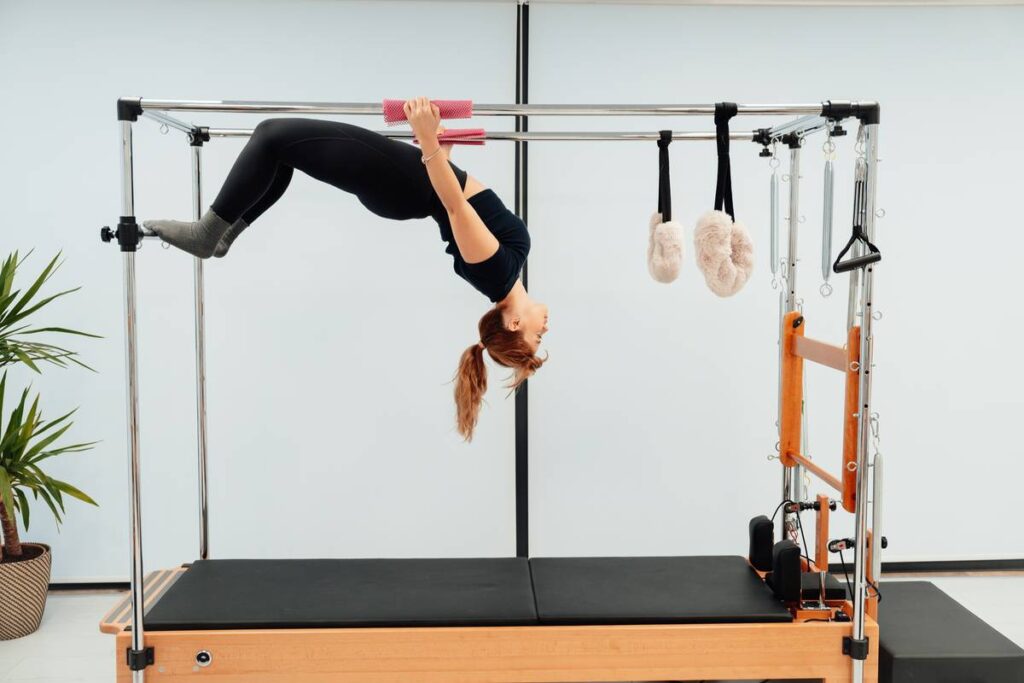
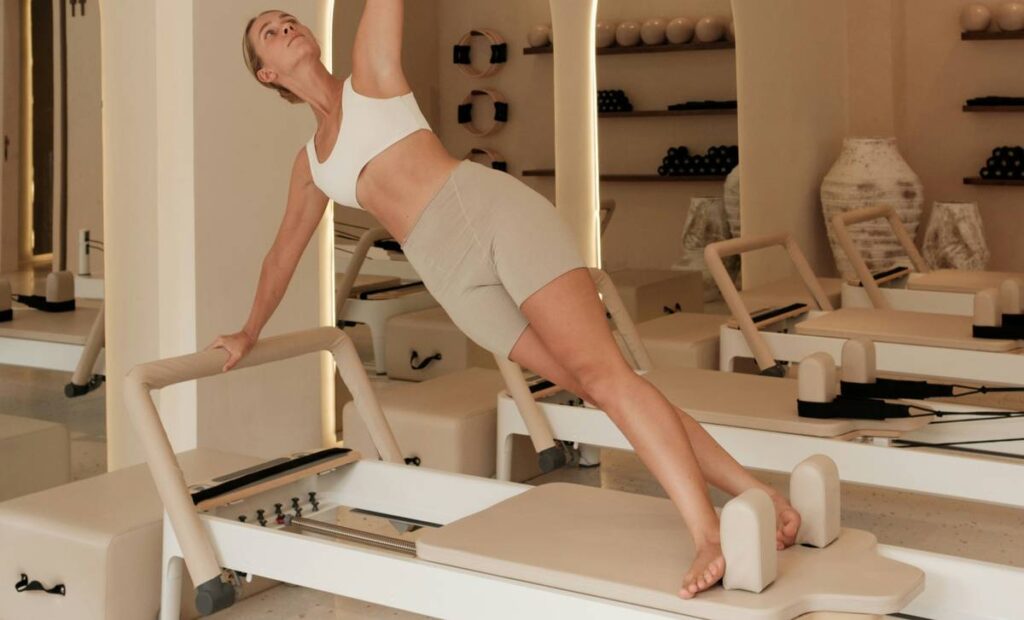
I learned this the hard way. Early in my fitness journey, I crammed 45-minute reformer classes into lunch breaks, chugging coffee instead of hydrating. Result? I gained zero flexibility, felt constantly sore, and plateaued in weight loss. My mistake? Treating Pilates like cardio instead of neuromuscular re-education. According to a study published in the Journal of Sports Science & Medicine, participants practicing mat Pilates three times weekly for 8 weeks saw significant improvements in hamstring flexibility and dynamic balance—key markers for functional mobility (NCBI, 2018).
Your Step-by-Step Pilates Routine
Start With Breath, Not Movement
Before any exercise, spend 2 minutes lying supine, hands on ribs. Inhale deeply into your back ribs (not your chest), exhale fully through pursed lips. This activates the diaphragm and signals your nervous system to relax tension—a prerequisite for safe stretching.
Focus on Controlled Range, Not Depth
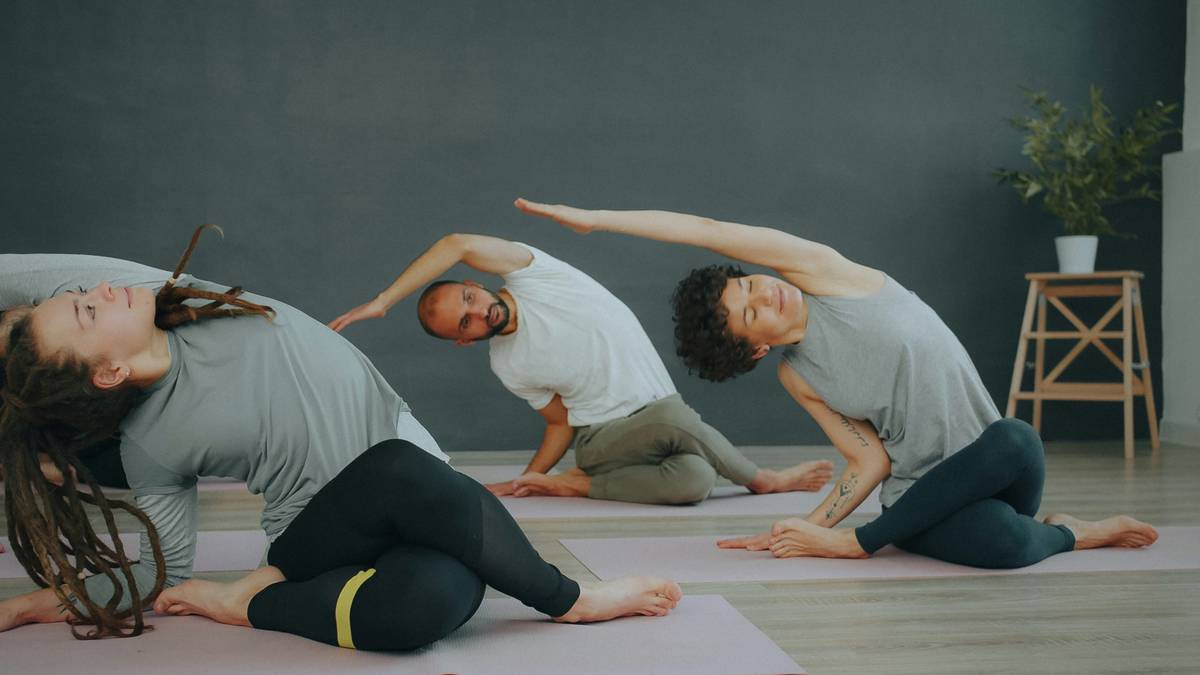
Perform “The Saw” slowly: sit tall, legs wide, rotate torso toward one leg, reaching opposite hand past the foot—not to touch toes, but to feel a gentle spinal twist. Stop before strain. Repeat 6x per side. This builds rotational mobility without compromising lumbar stability.
End With Integration
Finish with “Shoulder Bridges”: lie on your back, knees bent, lift hips while keeping ribs anchored. Hold 3 seconds, lower slowly. Do 10 reps. This links pelvic and thoracic mobility—critical for walking efficiency and metabolic rate.
Best Practices for Real Results
- Hydrate before and after: Dehydrated fascia resists lengthening. Aim for 500ml water within an hour pre-session.
- Pair with protein timing: Consume 15–20g protein within 45 minutes post-Pilates to support muscle repair during fat loss phases. Learn more about our philosophy on holistic wellness at our About Us page.
- Avoid static stretching cold: Never jump straight into “mermaid” stretches. Warm up with cat-cow or pelvic tilts first.
- Track progress monthly: Measure sit-and-reach distance or shoulder rotation—not just scale weight.
And a terrible tip to avoid: “Just push through the pain.” Pain = tissue resistance. It’s not toughness; it’s damage stacking up.
Real-World Results & Evidence
In a 12-week pilot by the American Council on Exercise (ACE), sedentary adults doing 30-minute mat Pilates sessions 3x/week lost an average of 3.2% body fat—without diet changes—while improving hip mobility by 22 degrees (measured via goniometer). Crucially, they reported less joint stiffness during daily tasks like climbing stairs or bending to tie shoes.
I’ve seen similar wins coaching clients. One woman, 52, combined Pilates with mindful eating. In 14 weeks, she dropped 18 pounds and reversed her “frozen shoulder” enough to swim laps again. Her secret? She treated pilates for flexibility and mobility as joint maintenance, not just exercise. Remember: your data privacy matters to us—review our full guidelines in the Privacy Policy.
Frequently Asked Questions
Can Pilates help me lose belly fat?
Pilates alone won’t spot-reduce fat, but it strengthens deep core muscles (transverse abdominis), which improves posture and creates a slimmer silhouette. Combined with nutrition, it supports overall fat loss. For personalized plans, contact us.
How often should I do Pilates for flexibility?
Aim for 3–5 sessions weekly. Even 15-minute routines boost results if consistent. The key is frequency over duration.
Is Pilates better than yoga for mobility?
Both improve mobility, but Pilates emphasizes controlled movement from a stable core—making it ideal for those with joint instability or recovering from injury.
Do I need equipment for Pilates for flexibility and mobility?
No. Mat-based Pilates is highly effective. Props like resistance bands add variety but aren’t essential.
Will Pilates make me bulky?
Absolutely not. Pilates builds lean, elongated muscle fibers through eccentric contractions—no hypertrophy like weightlifting.
Can beginners do Pilates safely?
Yes! Start with foundational moves (like pelvic curls) and prioritize form. Modify ranges as needed—mobility is personal.
Let’s be clear: pilates for flexibility and mobility isn’t magic—it’s method. And that method, repeated with intention, rebuilds your body from the inside out. If you’re ready to move better, feel lighter, and finally break through plateaus, reach out. We’re here to help you every step of the way—contact us today.