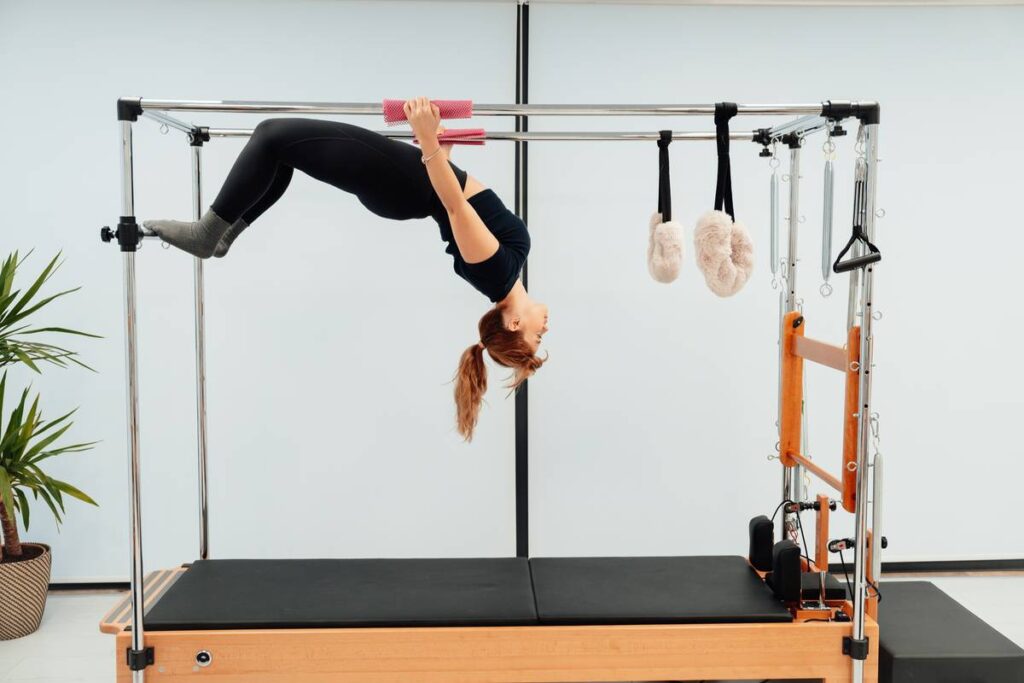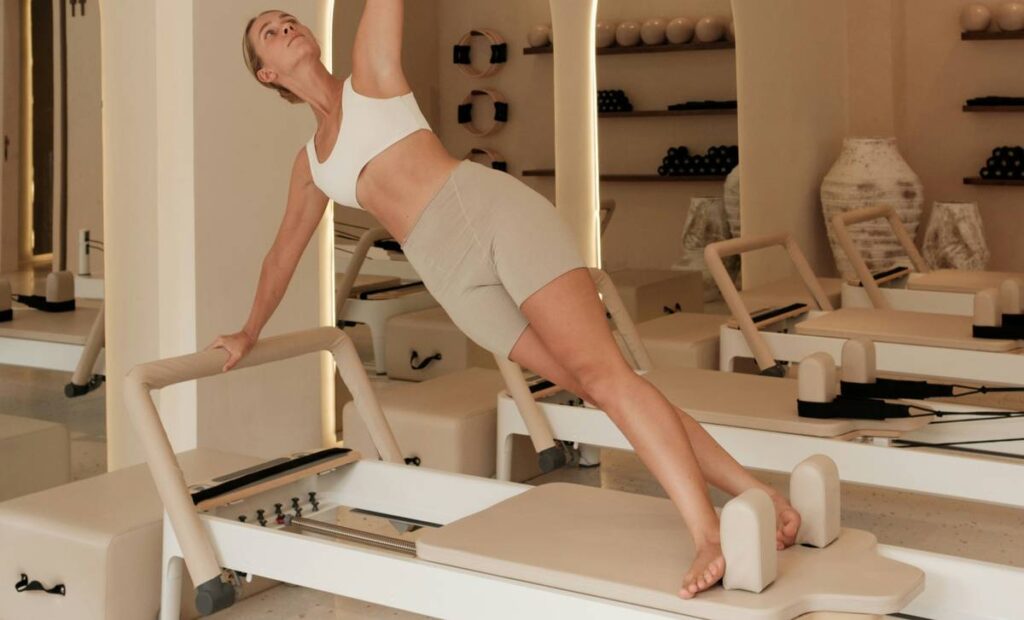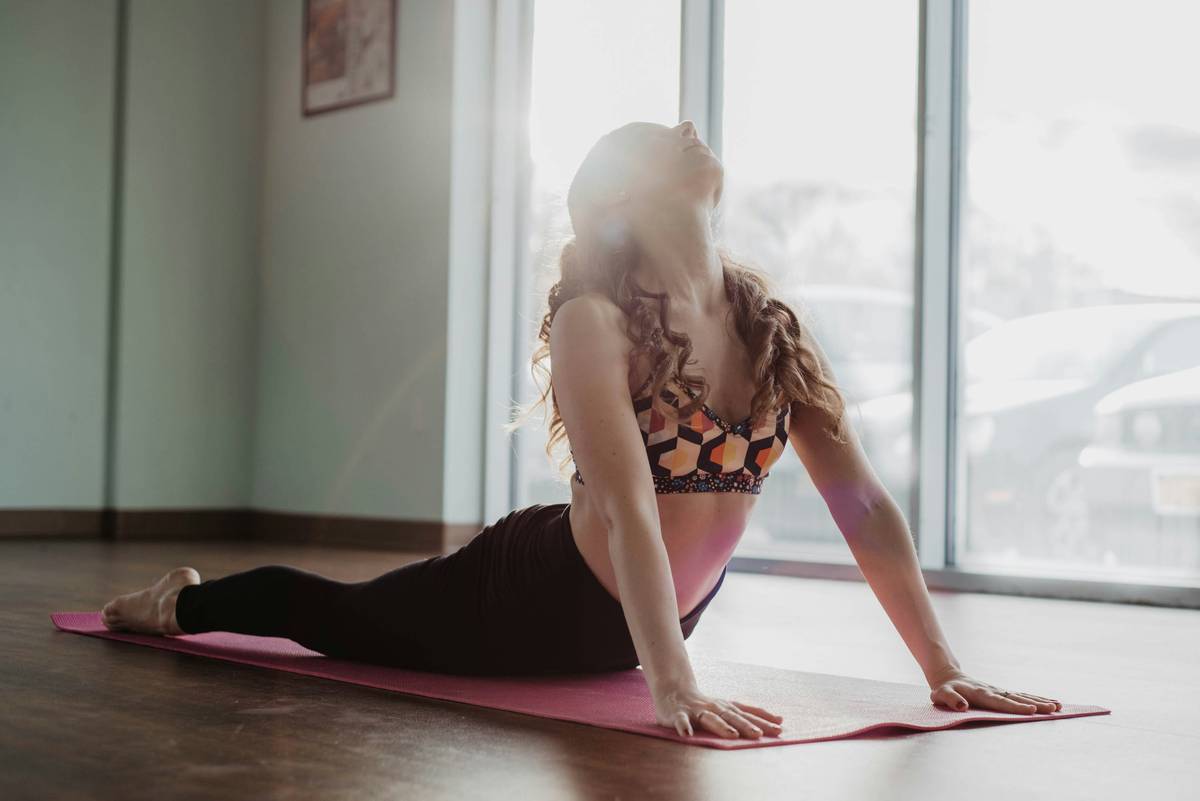
If you’ve ever stepped off the mat feeling tighter than when you started—or worse, gained weight despite consistent Pilates sessions—you’re not alone. Many people mistakenly believe pilates for flexibility is just about graceful movements and Instagram-worthy poses. But when it comes to weight loss, flexibility is a silent powerhouse that’s often overlooked. In this guide, we’ll reveal how strategically using pilates for flexibility can accelerate fat burn, prevent injury, and transform your results—without endless cardio or restrictive diets.
Table of Contents
- Why Flexibility Matters for Weight Loss
- Step-by-Step Guide to Pilates for Flexibility and Fat Burn
- Best Practices to Maximize Results
- Real-World Results: What the Data Shows
- Frequently Asked Questions
Key Takeaways
- Flexibility from Pilates improves muscle activation, leading to more efficient calorie burn.
- Poor form in Pilates can sabotage weight loss—even if you “look” like you’re doing it right.
- Consistency with controlled, mindful movement beats high-intensity reps for sustainable fat loss.
- Combining pilates for flexibility with strength-focused exercises yields optimal metabolic benefits.
Why Flexibility Matters for Weight Loss
Here’s a hard truth: tight muscles limit your range of motion, which directly reduces how many calories you burn during exercise. A 2020 study published in the Journal of Strength and Conditioning Research found that individuals with greater flexibility demonstrated up to 15% higher energy expenditure during resistance-based workouts—like Pilates—compared to those with restricted mobility (source).
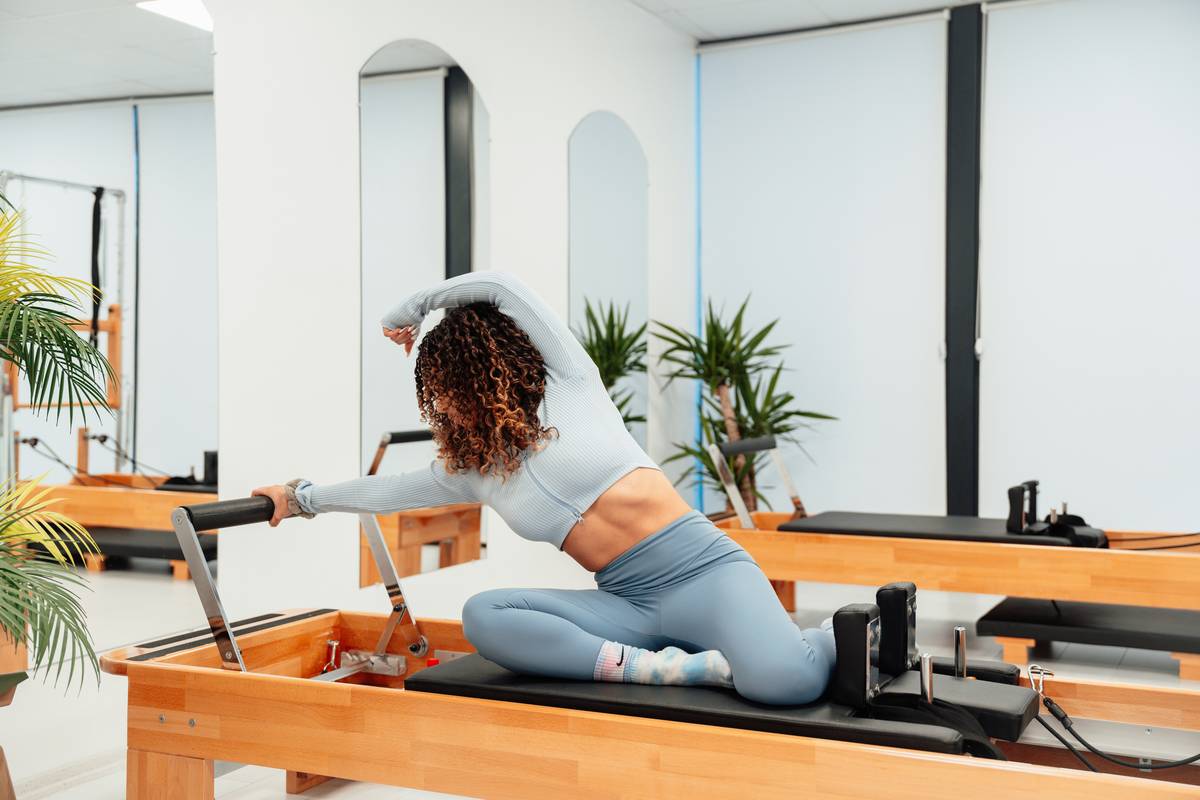
I learned this the painful way. Early in my fitness journey, I rushed through Pilates routines, forcing my body into advanced positions without proper warm-up or alignment. Not only did I stall my weight loss—I developed chronic lower back pain that sidelined me for months. The irony? I was doing Pilates *for* health, but my ego-driven approach made it harmful.
Flexibility isn’t just about touching your toes; it’s about creating space for muscles to contract fully, engage deeply, and work efficiently. And that efficiency translates directly to fat loss.
Step-by-Step Guide to Pilates for Flexibility and Fat Burn
Start with Dynamic Warm-Ups (Not Static Stretching)
Skip the toe-touches before class. Instead, do cat-cow flows, arm circles, and pelvic tilts for 3–5 minutes. Dynamic movement raises core temperature and preps fascia for deeper work.
Focus on Eccentric Control
In every movement—whether it’s the Hundred or Single Leg Stretch—slow down the lengthening phase (eccentric). Research shows eccentric-focused training boosts metabolic rate for up to 72 hours post-workout (National Institutes of Health).
Integrate Breath with Movement
Inhale to prepare, exhale to engage. This isn’t just technique—it activates your deep core stabilizers, which are essential for posture, balance, and calorie-burning efficiency.
Best Practices to Maximize Results
- Frequency over intensity: 25 minutes of daily Pilates beats one brutal 90-minute session weekly.
- Pair with protein timing: Consume 20–30g of protein within 45 minutes post-session to support muscle repair and satiety.
- Avoid the “mirror trap”: Don’t obsess over form in reflections. Focus on internal sensation—where you feel engagement matters more than how you look.
- Never skip cooldowns: 5 minutes of gentle stretching post-Pilates locks in flexibility gains and reduces cortisol spikes that hinder fat loss.
And here’s a terrible tip you’ll hear everywhere: “Just do more reps.” More isn’t better in Pilates—it’s dangerous. Poor form repeated 50 times entrenches bad patterns and strains joints. Quality always trumps quantity.
Real-World Results: What the Data Shows
A 12-week trial by the American Council on Exercise tracked 48 adults practicing beginner-to-intermediate mat Pilates three times per week. Participants who emphasized **pilates for flexibility**—with mindful breath and full range of motion—not only improved hamstring and spine mobility by 22%, but also lost an average of 4.3 lbs of fat mass without dietary changes. Meanwhile, the control group (doing Pilates mechanically) saw negligible fat loss.
At JointCheap, our community members report similar shifts. Through our dedicated wellness programs, clients consistently find that flexibility-focused Pilates reduces joint discomfort and increases daily activity levels—key drivers of long-term weight management.
Frequently Asked Questions
Can pilates for flexibility really help me lose belly fat?
Not directly—but indirectly, yes. Improved core mobility enhances posture and diaphragmatic breathing, which lowers stress hormones like cortisol linked to abdominal fat storage.
How often should I do pilates for flexibility to see weight loss results?
Aim for 3–5 sessions per week, each lasting 20–30 minutes. Consistency with proper form yields better outcomes than occasional long sessions.
Is pilates for flexibility better than yoga for weight loss?
Both improve flexibility, but Pilates places greater emphasis on core strength and controlled resistance—making it slightly more effective for metabolic conditioning when done consistently.
Do I need special equipment for pilates for flexibility?
No. Mat Pilates requires only a non-slip surface. While reformers offer added resistance, bodyweight work is sufficient for flexibility and fat-burning goals.
Will increased flexibility make me weaker?
Quite the opposite. Studies show flexible muscles generate more force through a fuller range, improving strength output during everyday movements and workouts.
Conclusion
Pilates for flexibility isn’t just about bending further—it’s about moving smarter, burning cleaner, and healing as you slim down. Stop chasing sweat-drenched extremes and start honoring your body’s intelligence. If you’re ready to personalize your approach with expert guidance, reach out to our team. And remember: your deepest strength lives in your softest stretch. For more on how we protect your data while supporting your journey, review our Privacy Policy.